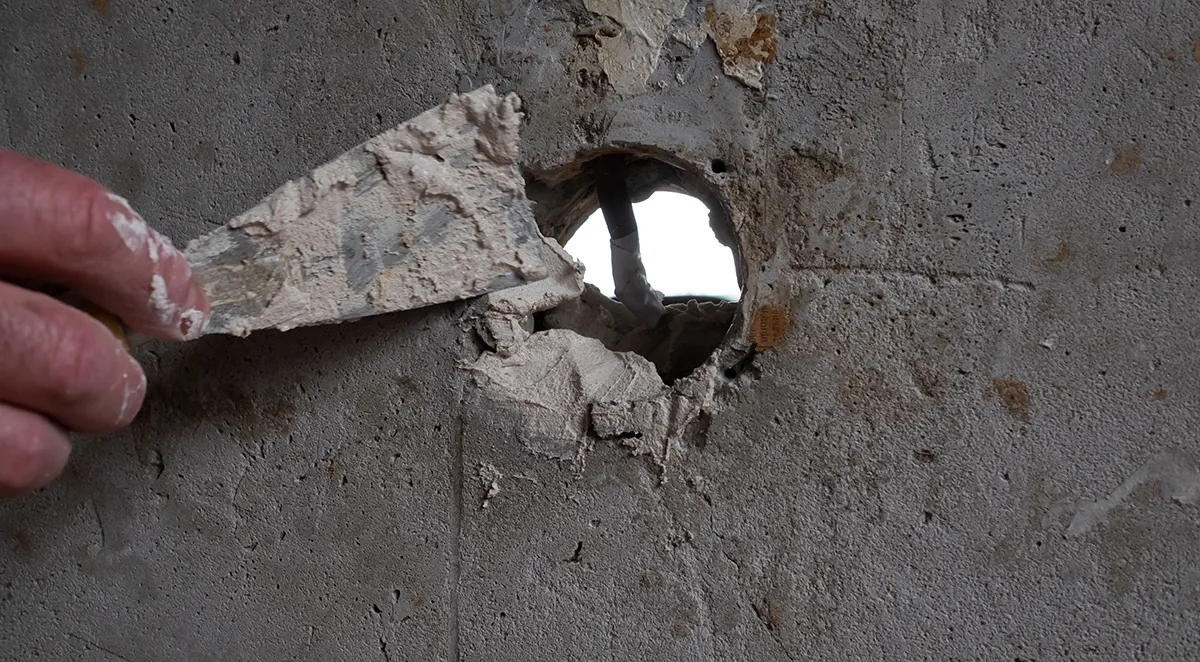
When it comes to keeping wildlife out of your home, there's a saying that captures the whole strategy: you can't trap your way out of the problem. Animal exclusion in Knoxville, TN and across East Tennessee is the practice of sealing a home so wildlife can't get in, and it's the single most important part of any lasting solution. Removing an animal only addresses today's intruder; exclusion addresses every animal that would otherwise follow.
At Critter Wranglers, exclusion is at the heart of how we protect homes across the region. Removing a raccoon or squirrel might solve the immediate issue, but without sealing the way it got in, the vacancy rarely stays vacant. Here's what exclusion is, why it works, and how a proper job protects your home for the long haul.
Quick Summary
- Animal exclusion means sealing the gaps and entry points that let wildlife into your home, so the problem doesn't simply repeat.
- Removal of something like a raccoon alone rarely works long term, because open entry points invite the next animal in.
- Different species exploit different vulnerabilities, from roofline gaps to foundation openings to uncapped chimneys.
- Professional exclusion uses durable, animal-resistant materials and targets the specific weak points wildlife actually use.
- Exclusion pairs naturally with damage repair and prevention for a complete, lasting solution.
What Is Animal Exclusion?
Animal exclusion is exactly what it sounds like: excluding animals from your home by physically sealing the openings they use to get in. Rather than reacting after wildlife has already moved in, exclusion closes off access so they can't establish themselves in the first place, or can't return once they've been removed.
The concept is simple, but doing it well is a craft. Wildlife is persistent, strong, and remarkably good at finding and exploiting weak points, so effective exclusion has to use the right materials in the right places, installed to withstand animals that gnaw, claw, and push. A dab of caulk or a piece of window screen won't stop a determined raccoon or a gnawing squirrel.
Done properly, exclusion is the difference between a temporary fix and a permanent solution. It's the reason a home stays wildlife-free long after the initial problem is resolved.
Why Removal Alone Doesn't Work
Many homeowners understandably assume that once the animal is gone, the problem is solved. Unfortunately, an open entry point is an open invitation, and wildlife is quick to take it.
There are a few reasons removal without exclusion falls short. Established entry points and nesting cavities often carry scent markings that attract other animals to the same opening. Desirable shelter, like a warm attic, doesn't stay empty for long once one animal has shown it's accessible. And in some cases, removing one animal while leaving young behind, or leaving the entry open, simply resets the same situation within days.
This is the same principle we see with squirrels, raccoons, and bats alike: the removal is only half the job. Sealing the home is what actually ends the cycle, which is why, in some cases, we treat exclusion as essential rather than optional.
How Different Animals Get In
Part of what makes exclusion a skilled job is that different species exploit different vulnerabilities. Knowing the animal and its helps pinpoint where and how it's getting in. Common East Tennessee culprits and their favored entry points include:
- Squirrels: roofline gaps, soffits, fascia, gable vents, and spots they can reach from overhanging trees
- Raccoons: vulnerable roof edges, vents, ridge caps, chimneys without proper caps, and weak attic access points they can pull open with their dexterous paws
- Bats: very small gaps around the roofline, vented ridge caps, soffits, and vents, often less than a half inch wide
- Rodents: tiny openings around utility penetrations, roofline gaps, foundation cracks, and gaps beneath doors
- Opossums and skunks: openings at ground level, under decks, HVAC units and porches, and into crawlspaces
- Birds: vents, eaves, and gaps that offer sheltered nesting spots
Because each animal is looking for something a little different, a thorough inspection is the foundation of good exclusion. Sealing the wrong gaps while missing the ones actually in use leaves the door open, sometimes literally.
What Professional Exclusion Involves
A proper exclusion job follows a clear sequence, and it starts long before anything gets sealed. The first step is a detailed inspection of the entire home, from the roofline down to the foundation, to identify every current and potential entry point and to determine what wildlife, if any, is currently present.
If animals are inside, they're safely removed or allowed to exit first, with careful attention to timing so that no young are trapped behind a sealed opening. Only then does the sealing begin, using durable, animal-resistant materials suited to each location: heavy-gauge powdercoated mesh and hardware cloth, reinforced sheetmetal barriers at vulnerable roof edges or fascia, chimney caps, vent covers, and sturdy sealing around gaps and penetrations. The materials matter as much as the technique, because wildlife will test the work.
Finally, exclusion pairs naturally with repairing the damage animals leave behind and preventing future issues. Our animal proofing and exclusion service handles the sealing, and our animal damage repair service addresses the destruction wildlife causes on the way in, so your home is both protected and restored. Because the same team handles removal, exclusion, and repair, you get a complete solution from one local company instead of coordinating several.
A good exclusion job is also documented and thorough rather than piecemeal. Sealing one obvious hole while leaving three subtle ones untouched simply reroutes the animal to the next weak point, so professionals work systematically around the entire structure. That whole-home approach is what separates a genuine fix from a patch that fails by the following season.
The Value of Getting It Done Right
Exclusion is one of those investments that quietly pays for itself. A home sealed properly against wildlife avoids the repeated costs of removal calls, the escalating damage of animals nesting in attics and walls, and the health and safety concerns that come with wildlife contamination. It's preventive care for your home in the truest sense.
It also delivers peace of mind. Instead of wondering whether the raccoon will be back next month, you know the ways in have been closed. For homeowners who value doing something once and doing it right, exclusion is exactly that kind of solution, and it's why we consider it the cornerstone of protecting a home against East Tennessee wildlife.
The timing of exclusion work is worth a mention too. The best moment to seal a home is before wildlife has moved in, which makes exclusion a smart preventive step rather than only a reaction to an active problem. Fall and winter are especially good windows, since that's when many animals are actively seeking warm shelter, and a home already sealed against them simply isn't available. Getting ahead of the season keeps you out of the removal cycle entirely.
Frequently Asked Questions
What is animal exclusion, exactly?
Animal exclusion is the process of sealing the entry points wildlife uses to get into your home, using durable materials designed to withstand animals. It prevents wildlife like squirrels or raccoon from entering or returning, making it the key to a lasting solution rather than a temporary one.
Why isn't removing the animal enough?
An open entry point invites the next animal in, often quickly, because established openings carry scent and lead to desirable shelter. Without sealing the home, the same problem tends to repeat, which is why exclusion is essential alongside removal.
Can't I just seal the gaps myself?
You can address minor openings, but wildlife is strong and persistent, and everyday materials like caulk or standard screen rarely hold up. Professional exclusion uses animal-resistant materials installed to withstand gnawing, clawing, and pushing, and it depends on correctly identifying every entry point along with the biology and behaviour of the wildlife that will be testing it.
How do I know where animals are getting in?
A thorough inspection is essential, because different species exploit different vulnerabilities, from roofline gaps to foundation cracks to uncapped chimneys. Professionals know where to look for each animal and can spot the subtle signs of active or vulnerable entry points.
Does exclusion include fixing the damage animals caused?
It can, and ideally it should. Exclusion seals the home, while damage repair addresses the destruction wildlife leaves behind, such as torn soffits or ruined insulation. Having one company handle removal, exclusion, and repair together gives you a complete, coordinated solution.
Seal Your Home Against East Tennessee Wildlife
Keeping wildlife out of your home comes down to one principle: close the ways in and keep them closed. Exclusion is what turns a temporary removal into a permanent solution, protecting your home season after season from the raccoons, squirrels, bats, and rodents that would otherwise keep finding their way inside.
If you'd like to wildlife-proof your home the right way, Critter Wranglers is here to help. Request your free quote or contact us to schedule an inspection. We're locally owned, we handle removal, exclusion, and repair under one roof, and we're just a call away at (865) 973-1095.