
How Bed Bugs Get Into Your Home
Bed bugs are hitchhikers, not invaders. They don't live outdoors and they don't enter your home the way ants or roaches do. Instead, they travel from one location to another by hiding in personal belongings and furniture. The most common ways bed bugs arrive in Tennessee homes include travel, used furniture and mattresses, visitors and guests, multi-unit housing, and workplaces and public spaces.
A bed bug problem is not a reflection of how clean your home is. These pests are equal-opportunity invaders that are just as likely to show up in a well-maintained home as anywhere else. Unlike the common household pests covered by a residential pest control plan, bed bugs require a dedicated treatment approach tailored to their behavior and lifecycle.
Get In Touch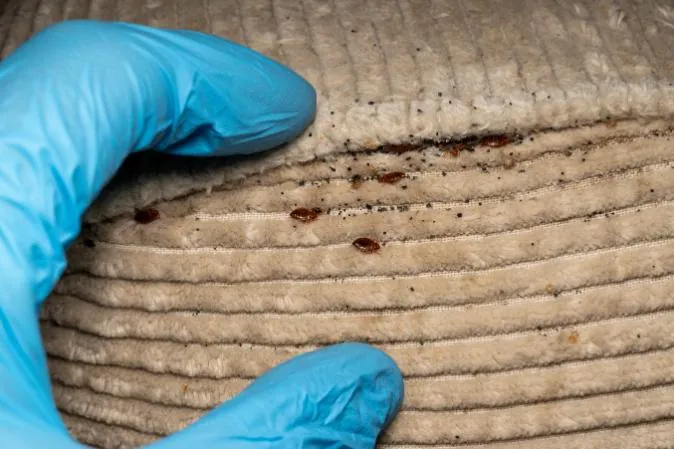
How Our Bed Bug Treatment Works
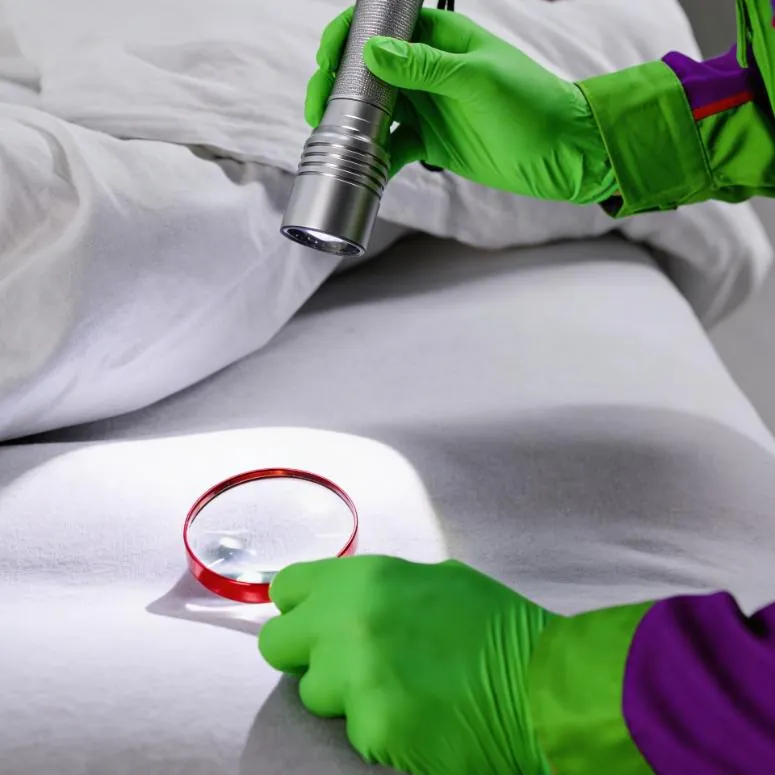
Detailed Inspection
Every job begins with a thorough inspection. We identify where bed bugs are living, how far they've spread, and what conditions are allowing them to persist — including mattress seams, box springs, headboards, nightstands, and baseboards.
Targeted Treatment
We develop a treatment plan using professional-grade products designed to eliminate active populations and disrupt the bed bug lifecycle, applied precisely where bed bugs harbor and travel.
Monitoring Stations
We install monitoring stations to track bed bug activity throughout the treatment process, helping us confirm whether the treatment is working and identify any areas that need additional attention.
Encasements & Follow-Up
We recommend mattress and box spring encasements to trap remaining bugs and eliminate future hiding spots. Follow-up inspections and treatments are scheduled as needed to confirm full elimination.
Bed bug control may require more than one visit. We schedule follow-up inspections and additional treatments as needed. Reach out to our team to schedule your free inspection.
Signs of a Bed Bug Infestation
Bed bugs are small, flat, and reddish-brown — roughly the size and shape of an apple seed. They're nocturnal and spend most of their time hiding close to where people sleep. The signs of their presence are often easier to spot than the bugs themselves:
- Small, itchy, red bites on exposed skin, often in clusters or lines on the arms, shoulders, neck, or legs
- Tiny dark spots (fecal staining) on mattress seams, sheets, pillowcases, or headboards
- Small blood spots on bedding from crushed bugs
- Pale, translucent shed skins near hiding spots
- A sweet, musty odor in rooms with heavy infestations
- Live bugs in mattress seams, box spring crevices, behind headboards, or along baseboards
If you're waking up with unexplained bites or noticing any of these signs, don't wait. Bed bug infestations grow quickly, and early detection makes treatment faster and more effective.
Why Professional Treatment Matters
They Hide Where You Can't Reach
Bed bugs squeeze into mattress seams, behind baseboards, inside electrical outlets, and within wall voids. Surface sprays don't reach these harborage areas, which is why professional treatment is essential.
Over-the-Counter Products Are Limited
Many store-bought sprays kill on contact but have no residual effect. Some bed bug populations have also developed resistance to common consumer-grade insecticides, making professional-grade products necessary.
The Lifecycle Works Against You
Bed bug eggs are resistant to many treatments and can hatch days, weeks, or months after an initial application. Without follow-up treatments timed to the lifecycle, surviving eggs replenish the population.
Residential Bed Bug Treatment
Full interior treatment targeting mattress seams, box springs, headboards, nightstands, baseboards, and upholstered furniture. Our technicians treat every stage of the bed bug lifecycle using professional-grade products and follow up to ensure the infestation is fully resolved.
Commercial Bed Bug Control
Hotels, motels, apartments, office buildings, and healthcare facilities can all be affected. A bed bug complaint in a commercial setting can damage your reputation and create liability concerns. We work with property managers to address active infestations and implement monitoring protocols to catch new introductions early.
Contact us to discuss the right treatment approach for your situation.
Get Rid of Bed Bugs:
Contact Critter Wranglers Today
Critter Wranglers is locally owned and operated, licensed by the Tennessee Department of Agriculture, and fully bonded and insured. Bed bugs are one of the most stressful pest problems our customers face, and we treat every job with the urgency and thoroughness it deserves.
If you suspect bed bugs in your home or business, don't wait. The longer an infestation goes untreated, the harder it becomes to resolve. Contact us today to schedule your free inspection, or give us a call at (865) 973-1095.

Frequently Asked Questions
Can I get bed bugs even if I haven't traveled?
Yes. While travel is one of the most common ways bed bugs are introduced, they can also arrive on used furniture, through visitors, or from neighboring units in multi-unit housing. Bed bugs are hitchhikers, and any contact with an infested environment can result in a transfer.
How long does bed bug treatment take?
The initial treatment visit typically takes a few hours depending on the size of the affected area. However, full elimination may require two or more visits spaced a few weeks apart to address bugs that emerge from eggs after the initial treatment. Your technician will outline a timeline based on your specific situation.
Do I need to throw away my mattress?
Not necessarily. In many cases, professional treatment combined with mattress and box spring encasements can save your bedding. Encasements trap any remaining bugs inside and prevent new ones from establishing harborage in your mattress. We'll assess the condition of your mattress during the inspection and advise you on whether replacement is warranted.
Are bed bug treatments safe for children and pets?
Yes. We use targeted application methods and select products based on both safety and effectiveness. Your technician will walk you through any specific precautions, including re-entry times for treated areas, before treatment begins.
How can I prevent bed bugs from coming back?
Prevention starts with awareness. When traveling, inspect hotel rooms before unpacking, keep luggage off the floor and bed, and wash all clothing in hot water when you return. At home, inspect any used furniture before bringing it inside, and use mattress encasements as an ongoing protective measure. If you live in multi-unit housing, sealing cracks around baseboards, outlets, and plumbing penetrations can help reduce the risk of bugs traveling between units.
Can bed bugs spread to other rooms in my house?
Yes. Bed bugs typically start in the bedroom closest to where they were introduced, but they can spread to adjacent rooms, living areas, and furniture over time as the population grows. Early treatment limits the scope of the infestation and reduces the overall complexity of the job.
Do you offer bed bug control for apartments and multi-unit housing?
Yes. We work with property managers and multi-unit housing operators across the Greater Knoxville area. Bed bug infestations in multi-unit buildings often require coordinated inspection and treatment of adjacent units to fully resolve the problem.