The Knoxville Pest & Wildlife Guide
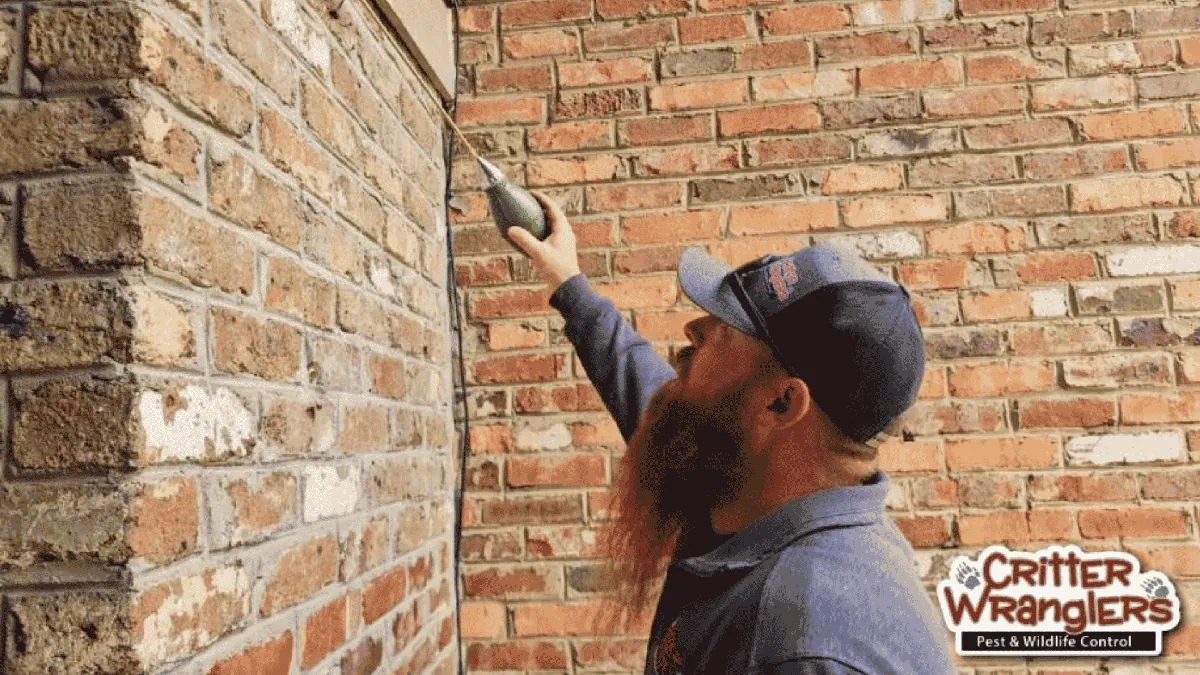
If you've never had a professional out to look at your home, scheduling that first visit can feel like a bit of a mystery. Knowing what to expect during a pest inspection in Knox County takes the guesswork out of it and helps you get the most from the appointment. A good inspection is thorough, educational, and the foundation of any effective pest plan, since you can't treat what you haven't found.
It's less about spraying and more about understanding your home, and we walk every client through the process. Here's exactly how it works from start to finish.
- Written by: Critter Wranglers
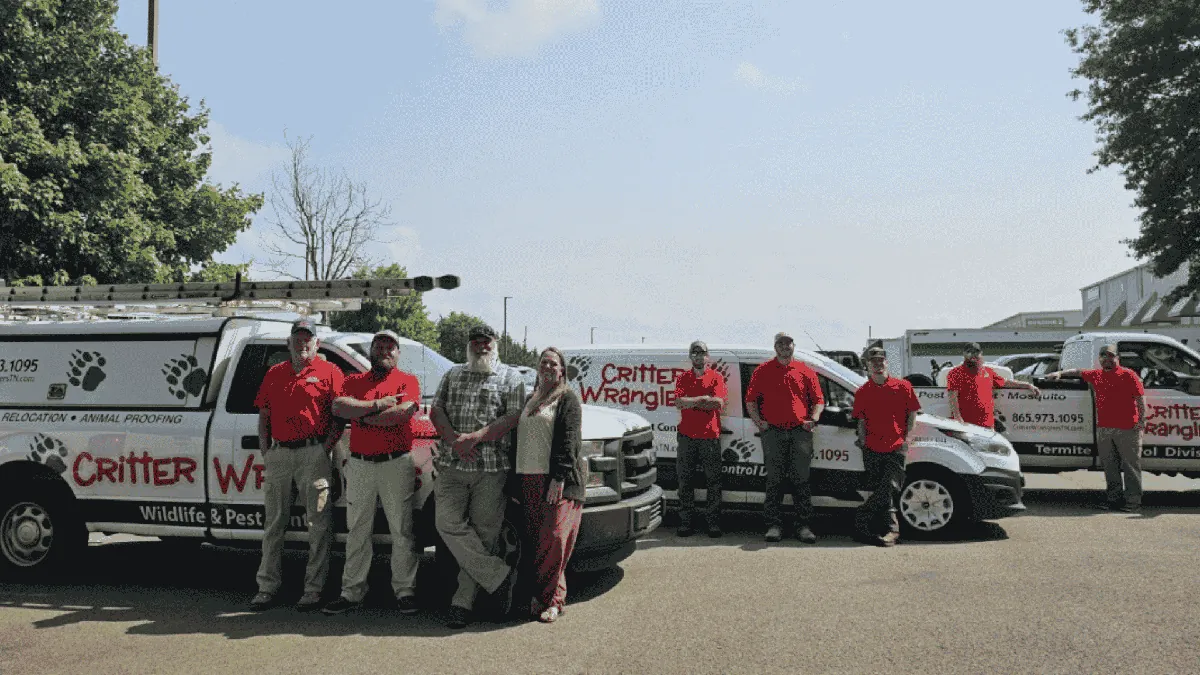
Hiring someone to protect your home from pests is a bigger decision than it looks. Knowing how to choose a pest control company in Knoxville means looking past the flashy ads and the lowest bid to what actually keeps your family and home safe. The right company is licensed, insured, experienced with local pests, and honest about what it can and can't do; the wrong one can waste your money or, worse, put your home at risk.
At Critter Wranglers, we think an informed customer makes the best customer, so here's how to sort the professionals from the pretenders.
- Written by: Critter Wranglers
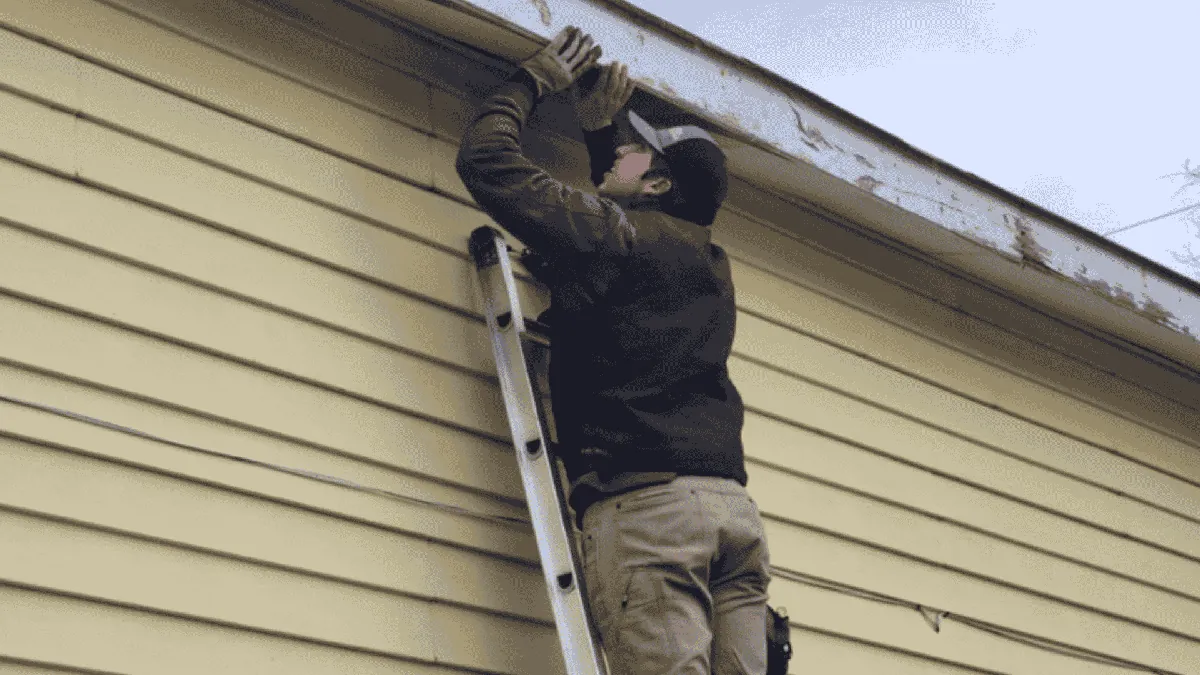
When the first hard freeze hits Knoxville, it's tempting to assume the bugs have packed up until spring. The truth about winter pests in Knoxville, TN is a little less comforting: most of them don't disappear at all. Some move indoors, some go quiet underground, and a few keep right on going in the warm corners of your home. Understanding what actually happens in the cold months helps you protect your home right when your guard is down, which is why we field so many December and January calls from folks surprised to find they've got company.
- Written by: Critter Wranglers
- Written by: Critter Wranglers