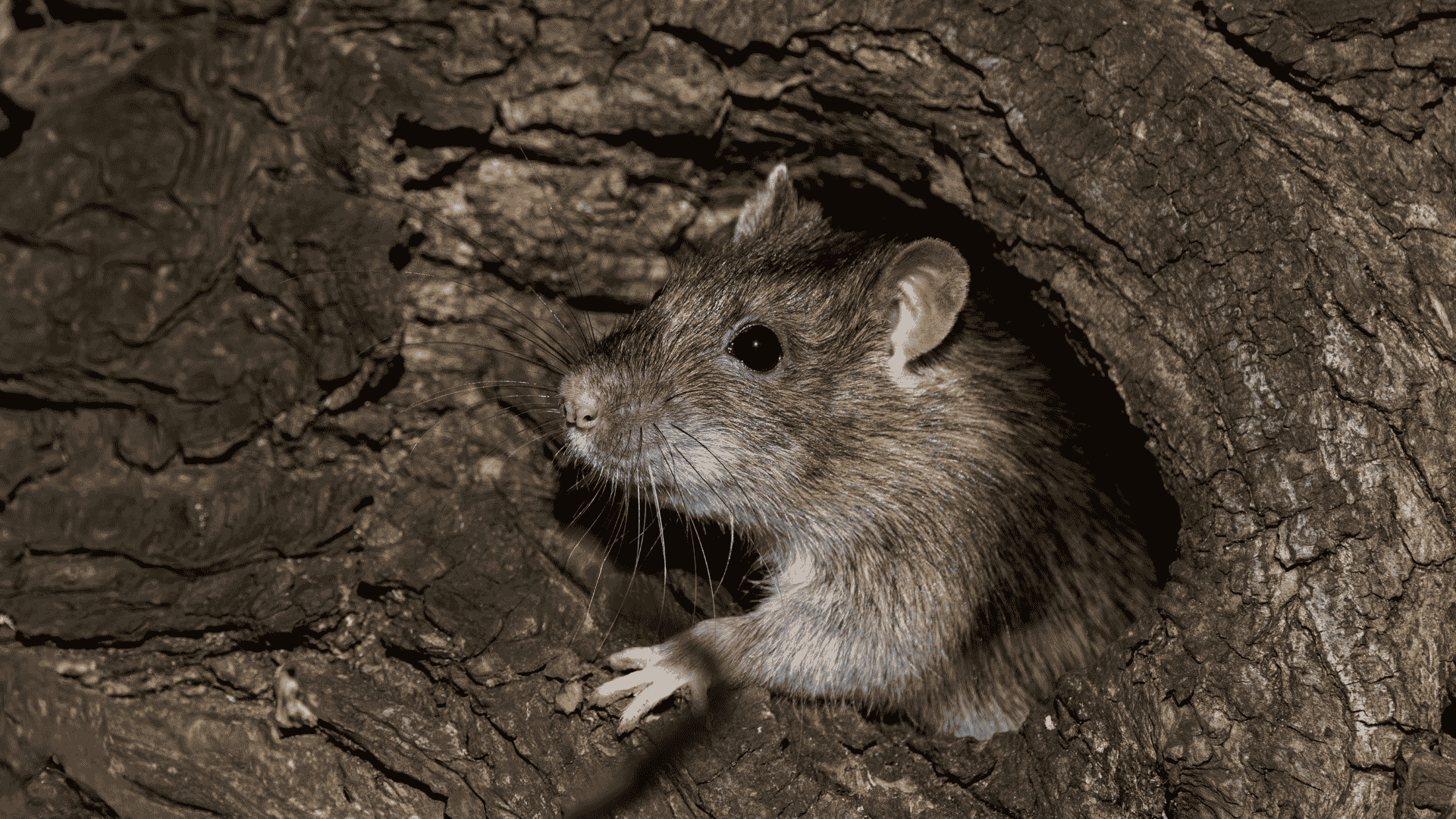
As the first cold nights arrive in East Tennessee, mice and rats start looking for somewhere warm to ride out the season, and your home is at the top of their list. Learning how to rodent-proof your Knoxville home before winter is one of the most valuable things a homeowner can do in the fall, because a mouse that gets in during October can turn into a much larger problem by January. Rodents reproduce quickly, contaminate food, and gnaw on wiring and insulation, so keeping them out beats dealing with them after the fact.
At Critter Wranglers, rodent calls climb sharply across Knox County every fall and winter. The encouraging news is that rodent proofing in Knoxville, TN is largely a matter of exclusion: finding and closing the ways rodents get in, then removing the things that invite them. Here's a practical, step-by-step guide to getting your home ready before the temperatures drop.
Quick Summary
- Cooling fall weather drives mice and rats indoors in search of warmth, food, and shelter, making early fall the ideal time to rodent-proof.
- Mice can slip through a gap the size of a dime, so exclusion means sealing even the smallest openings around your home.
- Reducing food and water sources, decluttering, and managing the yard all make your home far less attractive to rodents.
- Controlling rodents also discourages snakes, since snakes follow their prey; the real solution to both is rodent control and sealing, not emergency snake removal.
- Professional help is worth it when rodents are already inside or when you want lasting, year-round protection.
Why Rodents Head Indoors in Winter
Rodents are driven by three needs in cold weather: warmth, food, and shelter. Through the warm months they live comfortably outdoors, but as East Tennessee nights turn cold and natural food becomes scarce, the steady heat and easy meals inside a home become irresistible. A single warm wall void or cluttered garage can shelter a surprising number of mice.
The stakes are higher than many homeowners realize. Mice can begin reproducing within a couple of months of birth, so a small fall intrusion can multiply into an established population over the winter. Along the way, rodents contaminate food and surfaces, chew through wiring in ways that create fire risk, and shred insulation for nesting material.
This is why timing matters. Rodent proofing is most effective when it's done in early fall, before rodents have committed to your home. Once a population is established indoors, the job shifts from prevention to removal, which is harder and takes longer.
Step One: Find and Seal Entry Points
Exclusion is the heart of rodent proofing, and it starts with a careful inspection of your home's exterior. The challenge is scale: a house mouse can squeeze through an opening roughly the size of a dime, and a young rat needs only a bit more. That means the gaps you need to find are often small enough to overlook.
Walk the perimeter of your home slowly and look closely at these common entry points:
- Utility penetrations: gaps where pipes, cables, gas lines, and wiring pass through exterior walls
- Garage doors: worn weatherstripping and gaps at the corners where the door meets the frame
- Doors and windows: damaged sweeps, torn screens, and gaps in weatherstripping
- Foundation and siding: cracks, holes, and separations near ground level
- Roofline and vents: unscreened attic and gable vents, gaps in soffits, and openings around the chimney
- Crawlspace vents and access doors: damaged screening or doors that no longer seal
Seal small gaps with a combination of steel wool and caulk, since rodents can chew through caulk alone, and use hardware cloth or sheet metal for larger openings. Pay special attention to anything at or near ground level, and don't forget that rodents are capable climbers, so higher openings near the roofline count too.
Step Two: Remove the Food and Water That Attract Them
Even a well-sealed home stays more appealing to rodents if it offers an easy meal. Cutting off food and water sources makes your property far less inviting and supports all your sealing work.
Inside, store pantry staples like grains, cereal, and pet food in sealed, hard containers rather than original packaging. Clean up crumbs and spills promptly, keep counters clear at night, and take out the trash regularly using bins with tight lids. Address any plumbing leaks, since a dripping pipe under a sink provides exactly the water source rodents need.
Outside, the same logic applies. Secure garbage and compost, pick up fallen birdseed and pet food, and harvest or clear fruit and vegetables from gardens as the season winds down. The less food available around your home, the less reason rodents have to move closer.
Step Three: Declutter and Manage the Yard
Rodents love cover, both indoors and out. Reducing the places they can hide makes your home less hospitable and makes any activity easier to spot.
Inside, tidy up storage areas like garages, basements, and attics, keeping items off the floor and in sealed bins rather than cardboard boxes that rodents can nest in. Outside, trim back shrubs and tree limbs that touch or overhang the house, keep grass cut, and clear brush piles and leaf litter near the foundation. Store firewood at least twenty feet from the home and elevated off the ground, since a woodpile against the wall is a favorite rodent harborage with easy access indoors.
The Snake Connection: Why Rodent Control Is the Real Answer
Here's something many East Tennessee homeowners don't connect: where there are rodents, snakes often follow. Snakes are drawn to properties with a healthy rodent population because rodents are a primary food source. If you're seeing snakes around your home or outbuildings, it's frequently a sign that mice or rats are present and providing an easy meal.
That's why the most effective way to discourage snakes is to control the rodents that attract them. Sealing entry points, removing food sources, and clearing the clutter and yard cover that shelter both rodents and snakes addresses the root of the issue. Treating a snake sighting as an isolated emergency rarely solves anything if the rodent buffet is still open.
For that reason, we generally steer these situations toward rodent control and thorough exclusion, which resolves the underlying attractant. If snakes are a concern around your property, the best first step is a hard look at your rodent control and sealing, not a one-time removal. Reducing the prey and closing the gaps makes your home far less interesting to both.
When to Call a Professional
A diligent homeowner can accomplish a lot with sealing, sanitation, and yard work. But there are clear signs it's time to bring in help. If you're hearing scratching in the walls or attic, finding droppings, noticing gnaw marks, or seeing a mouse in daylight, you likely already have an active population, and visible activity usually represents only a fraction of what's there.
A professional brings a trained eye for the entry points and conditions unique to your property, along with the tools to address an infestation at its source and keep it from returning. At Critter Wranglers, our technicians handle rodent control alongside broader exclusion and sealing work, so we don't just remove the rodents currently inside; we help close the routes that let them in. Because we're trained in pest control, rodents, and wildlife alike, one local company can address the whole picture, including the snake concerns that rodents often bring with them.
We work month to month with no long-term contracts, so a focused fall rodent-proofing visit can be exactly that. For many Knoxville-area families, it's the simplest way to enjoy a rodent-free winter.
Frequently Asked Questions
When should I rodent-proof my home in Knoxville?
Early fall is the best time, generally from late summer through October, before cold weather pushes rodents to seek shelter. Sealing and prevention are far easier before a population establishes itself indoors.
How small an opening can a mouse fit through?
A house mouse can squeeze through a gap about the size of a dime, roughly a quarter inch. That's why thorough rodent proofing means sealing even the small openings that are easy to overlook.
What's the best way to seal rodent entry points?
Use steel wool combined with caulk for small gaps, since rodents can chew through caulk on its own, and use hardware cloth or sheet metal for larger openings. Focus on utility penetrations, garage door corners, foundation cracks, and gaps along the roofline.
Does keeping mice out really help with snakes?
Yes. Snakes are attracted to properties with rodents because rodents are a food source, so reducing the rodent population and sealing shared hiding spots makes your home less attractive to snakes as well. Rodent control and exclusion address the underlying reason snakes show up.
Can I get rid of rodents myself, or do I need a professional?
Prevention through sealing and sanitation is very much a homeowner-friendly project. Professional help becomes worthwhile once rodents are already inside, when signs of activity keep appearing, or when you want dependable, lasting protection through the winter.
Get Your Home Winter-Ready
Rodent proofing your Knoxville home before winter comes down to three moves: seal the openings, remove the food and water, and clear the clutter and cover that rodents rely on. Handle those before the cold sets in, and you'll head off not only mice and rats but many of the snake concerns that come with them.
If you'd like a professional to make sure nothing slips through, Critter Wranglers is here to help. Request your free quote or contact us to schedule your visit. We're locally owned, we know how East Tennessee rodents behave, and we're just a call away at (865) 973-1095.