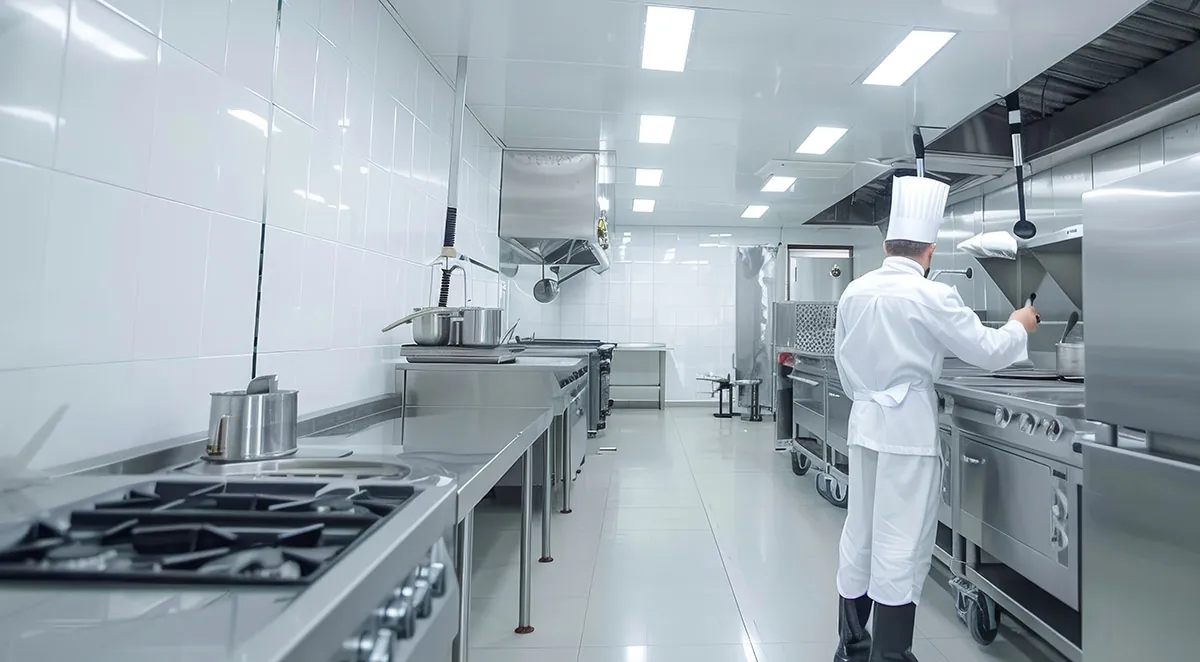
The end of the year is a natural time to take stock of your restaurant, and pest control belongs on that list right alongside your books and your equipment. Smart restaurant pest control in Knoxville, TN isn't about reacting to the roach a customer spots in December. It's about walking your entire operation before problems start, closing the gaps, and heading into the new year with documentation in hand.
A year-end audit gives you that fresh start. At Critter Wranglers, we work with Knoxville food service businesses to turn the quiet stretch after the holiday rush into the perfect window for a thorough pest review.
Quick Summary
Short on time? Here's the audit at a glance:
- Year-end is an ideal moment to audit pests before the new year and your next health inspection
- Restaurants deal most with cockroaches, rodents, flies, and stored-product pests
- Walk each zone in order: receiving, storage, prep, dining, and exterior
- Keep clear pest control documentation for inspectors and your own records
- A proactive, recurring program beats reacting to problems after they appear
- A local commercial provider can build the audit and the ongoing plan around your operation
Why Year-End Is the Right Time to Audit
Running a restaurant during the holidays means long hours, heavy volume, and very little time to think about what's happening behind the walk-in or under the prep line. That's exactly why the weeks after the rush are so valuable. Business often slows a bit, giving you and your team the breathing room to inspect areas that get overlooked when you're slammed.
A year-end audit also lines up neatly with your other end-of-year tasks. You're already reviewing finances, taking inventory, and setting goals, so folding in a pest review fits the rhythm. Catching a developing rodent or roach issue now, before spring, saves you from a much bigger and more expensive problem later.
There's a compliance angle too. In Tennessee, food service establishments are inspected by the health department, and pest control is part of what inspectors evaluate. Going into the new year with your pest management reviewed and documented puts you a step ahead the next time an inspector walks through the door.
The Pests Most Likely to Threaten Your Restaurant
Every kitchen is a little different, but a handful of pests cause the majority of problems in Knoxville food service. Knowing your main threats helps you focus the audit where it counts.
The usual suspects include:
- Cockroaches, especially German cockroaches, which thrive in warm, humid kitchens and hide near equipment
- Rodents, which slip in through small gaps seeking food and warmth, then contaminate storage
- Flies, including small fruit and drain flies that breed in drains, spills, and organic buildup
- Stored-product pests like beetles and moths that infest flour, grains, and dry goods
Each of these leaves clues, and part of a good audit is learning to read them. Droppings, gnaw marks, shed skins, grease trails, and small flies hovering near a drain all tell you where to look closer. Our cockroach control and rodent control teams see these patterns every day and know the hiding spots that are easy to miss.
Your Zone-by-Zone Audit Walkthrough
The most effective way to audit a restaurant is to follow the flow of food through the building, one zone at a time. Working in order keeps you from missing an area and mirrors how pests actually move through the space.
Receiving and Deliveries
Pests love to arrive as stowaways in shipments. Inspect incoming boxes and produce before they come inside, and break down and remove cardboard quickly, since it holds moisture and gives roaches a place to hide and lay eggs. Keep the receiving area clean and the exterior door closed when it's not in active use.
Dry and Cold Storage
Storage is where small problems grow quietly. Check that dry goods sit in sealed containers rather than open bags, and follow first-in, first-out so older stock doesn't linger. Look behind and beneath shelving for droppings or gnaw marks, and keep everything off the floor and away from walls so you can inspect and clean easily.
Food Prep Areas
Prep zones combine food, moisture, and warmth, which is a magnet for pests. Look closely at the gaps behind and beneath equipment, around the dishwasher, and along the base of prep tables. Pay attention to drains, which are a common breeding site for small flies, and make sure they're cleaned regularly. Grease buildup behind the line is a frequent, overlooked attractant.
Dining and Front of House
Customers see this area, so pest activity here does the most reputational damage. Check under booths and seating, around baseboards, near the beverage station, and anywhere crumbs and spills accumulate. Bar areas with sugary residue and floor drains deserve particular attention.
Exterior and Perimeter
Most pest problems start outside. Walk the building's perimeter and look for gaps around doors, pipes, and vents that rodents could use. Check that dumpster areas are clean, lids close fully, and containers sit away from the building. Trim back vegetation touching the structure, since it acts as a bridge for pests.
Documentation Protects Your Business
One of the most valuable outcomes of a year-end audit is a clear record of your pest management, and this is something a lot of restaurant owners underestimate. When a health inspector visits, being able to show consistent service records and a proactive plan demonstrates that you're managing risk responsibly rather than scrambling after the fact.
The Tennessee Department of Health's environmental health program oversees food service inspections in the state, and pest control is one component of a strong safety record. Meanwhile, the federal FDA Food Code, which serves as the model many jurisdictions build their rules around, treats pest management as a core part of a safe operation. Good documentation ties your day-to-day practices to those standards.
Solid records should capture:
- Dates and details of each pest control service
- Any pest activity found and the corrective action taken
- A map or notes on monitoring device locations
- Recommendations for facility repairs or process changes
When we provide commercial pest control for a restaurant, this kind of documentation comes standard, so you always have current records on file for inspectors, auditors, or your own peace of mind.
Move From Reacting to Preventing
The biggest shift a year-end audit can prompt is moving from a reactive mindset to a proactive one. Calling for help only after you see a pest means you're always a step behind, and in a restaurant, one visible pest at the wrong moment can undo a lot of hard-earned goodwill. A recurring program flips that around by catching conditions before they become infestations.
A proactive plan generally includes scheduled service timed to your operation, ongoing monitoring, exclusion work to seal entry points, and a clear line of communication when something changes. Because we can schedule around your hours, including early mornings or after close, the work happens without disrupting your customers or your team.
Think of your year-end audit as the foundation and the ongoing program as the structure you build on it. Together, they keep pests from ever becoming the story your customers tell about your restaurant.
Frequently Asked Questions
How often should a Knoxville restaurant have pest control service?
Most restaurants do best with recurring service rather than occasional treatment, because food service is such an attractive environment for pests. The exact frequency depends on your size, cuisine, and building, and it's something we'll recommend after seeing your operation.
What do health inspectors look for regarding pests?
Inspectors look for signs of pest activity, evidence of entry points, proper food storage, and whether you have a pest management program in place. Being able to show consistent service documentation supports a strong inspection.
Can you service my restaurant without disrupting business?
Yes. We schedule around your hours and can work early in the morning or after closing so treatment doesn't affect your customers or staff. Discreet, well-timed service is a normal part of commercial work.
What are the first signs of a restaurant pest problem?
Common early signs include droppings, gnaw marks, small flies near drains, grease trails, and roaches spotted during the day. Catching these early, which is what an audit is designed to do, keeps small issues from becoming infestations.
Do you provide documentation for our records?
We do. Clear service records are a standard part of our commercial programs, giving you documentation to keep on file for health inspections, audits, and your own tracking.
Start the New Year Pest-Free
A year-end audit is one of the smartest, lowest-cost investments you can make in your restaurant's reputation and your peace of mind. Walk your zones, close the gaps, get your documentation in order, and put a proactive plan in place before the new year gets busy. If you'd like a partner for that process, get a free quote and we'll build a commercial pest program around your Knoxville restaurant.