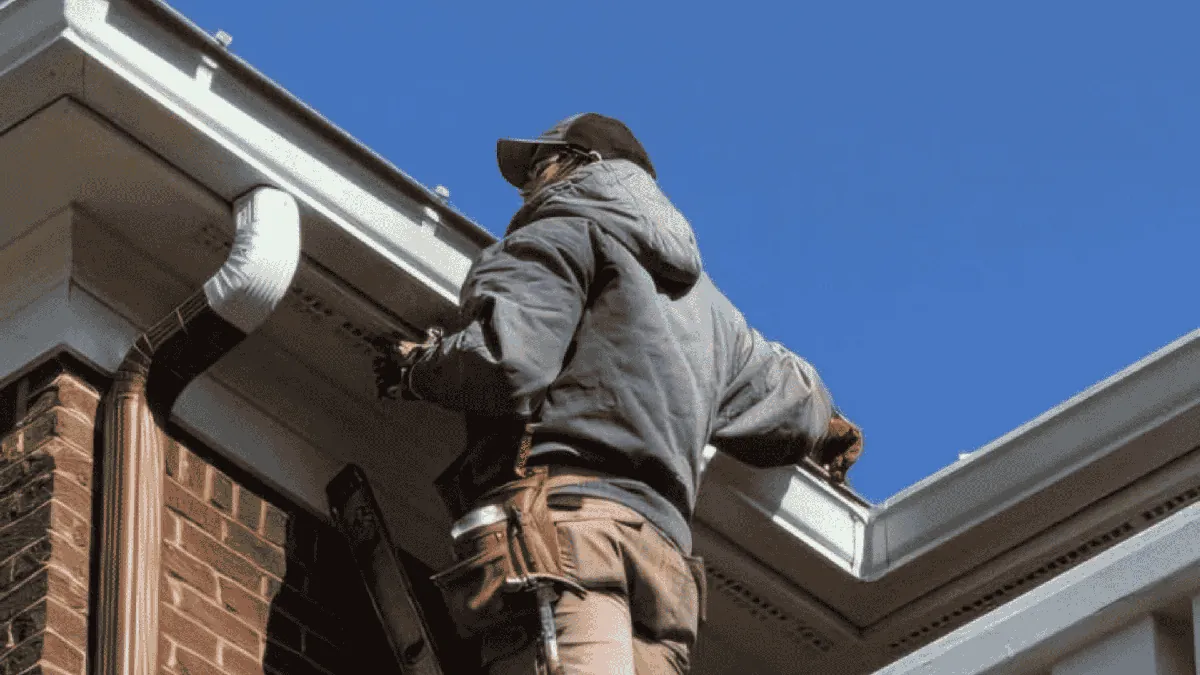
That scampering and scratching overhead early in the morning is one of the most common wildlife complaints we hear once fall arrives. Squirrels in the attic are a familiar headache for Knoxville homeowners, and the timing lines up with the season: as the weather cools, squirrels look for a warm, protected place to nest and store food, and your attic fits the bill perfectly. Left alone, they can cause real damage, so it pays to act promptly and correctly.
At Critter Wranglers, attic squirrel calls climb across Knox County every fall. The important thing to understand is that getting squirrels out and keeping them out are two different jobs, and skipping the second one is why so many do-it-yourself attempts fail. Here's what to watch for, why it matters, and how the problem actually gets solved.
Quick Summary
- Squirrels move into attics in fall seeking a warm, safe place to nest and shelter for the colder months.
- Telltale signs include daytime scratching and scampering overhead, chewing sounds, and visible entry points along the roofline.
- Squirrels can cause costly damage by gnawing wiring, soiling insulation, and chewing structural wood.
- Trapping alone rarely solves the problem; lasting results require removal plus exclusion to seal the entry points.
- A professional handles removal humanely and repairs the damage, keeping squirrels from simply returning.
Why Squirrels Choose Your Attic in Fall
Squirrels are active year-round, but fall is when they most often move into attics. As temperatures drop and squirrels prepare for winter, they seek out warm, dry, sheltered spaces to nest and cache food, and an attic offers exactly that: insulation to burrow into, protection from predators and weather, and quiet upper corners well away from the household below.
Fall also coincides with a second litter for many squirrels, so a female may be looking for a safe place to raise young. That's part of why an attic squirrel problem can escalate quickly. What starts as one animal exploring a gap can become a nesting site with more squirrels before long.
East Tennessee's abundant tree cover makes the problem more common here than in many places. Mature trees near or overhanging a roof give squirrels an easy launching point onto your home, and from there they only need a small opening to get inside.
Signs You Have Squirrels, Not Something Else
Several animals can end up in an attic, so it helps to recognize the signs that point specifically to squirrels:
- Daytime activity: Squirrels are most active at dawn and during the day, unlike raccoons or rodents that are often heard at night.
- Scampering and scratching: Quick, light running sounds and scratching overhead, frequently in the early morning.
- Gnawing sounds: Persistent chewing as squirrels gnaw to maintain their teeth and enlarge openings.
- Visible entry points: Chewed or damaged spots along the roofline, soffits, gable vents, fascia, or where the roof meets the wall.
- Nesting evidence: Shredded insulation, leaves, or other material gathered into a nest, sometimes visible from the attic access.
The daytime timing is often the clearest tip-off. If the noises are loudest in the morning and quiet at night, squirrels are a likely culprit.
The Damage Squirrels Can Do
Squirrels may look harmless, but their presence in an attic can be surprisingly costly, and much of the damage comes down to one habit: gnawing. A squirrel's teeth grow continuously, so it chews constantly to keep them worn down, and it doesn't discriminate about what it chews.
The most serious concern is electrical wiring. Squirrels gnaw on wiring insulation, exposing bare wire and creating a genuine fire risk that too many homeowners discover only after the fact. They also chew structural wood, soffits, and vents, enlarging entry points and letting weather and other pests in behind them.
Beyond gnawing, squirrels soil attic insulation with urine and droppings, which reduces its effectiveness and leaves odors and contamination behind. Nesting material and stored food add to the mess. Over a season, what began as a small opening can turn into a repair bill involving insulation, wiring, and structural work. This is why prompt, complete resolution matters.
There's a health dimension too. Squirrel droppings and urine can harbor parasites and pathogens, and the contamination they leave in insulation isn't something to disturb casually during cleanup. The nesting debris and food caches they bring in can also attract secondary pests, from insects to other rodents, compounding the original problem. Addressing an attic squirrel issue early keeps a manageable situation from turning into several overlapping ones.
Why Trapping Alone Doesn't Work
The most common do-it-yourself mistake is treating an attic squirrel problem as a trapping problem. Remove the squirrel, the thinking goes, and the problem is solved. Unfortunately, that's only half the job.
If the entry points remain open, new squirrels will find the same inviting attic, often within days. Squirrels are drawn to established openings, and a vacancy doesn't stay vacant for long. Worse, trapping during nesting season can separate a mother from dependent young, leaving babies behind in the attic, which creates both a humane problem and an odor problem down the line.
Effective, lasting resolution takes a two-part approach: safely removing the squirrels already present, including any young, and then sealing every entry point so none can return. That exclusion step is what actually solves the problem for good, and it's the part most homeowners aren't equipped to handle thoroughly.
How the Problem Gets Solved
A proper attic squirrel resolution follows a clear sequence. It starts with a thorough inspection to confirm squirrels are the culprit, locate every entry point, and determine whether young are present. From there, the animals are removed humanely, with timing that accounts for any dependent babies.
Once the attic is clear, the entry points are sealed with durable materials that squirrels can't simply chew back through, and vulnerable areas along the roofline are reinforced. Finally, the damage inside gets addressed, from contaminated insulation to gnawed wiring and structural repairs.
Prevention rounds out the job. Trimming back tree limbs that overhang or touch the roof removes the highway squirrels use to reach the house in the first place, and keeping gutters and the roofline in good repair eliminates the weak spots they exploit. These steps won't undo an active problem on their own, but paired with proper removal and exclusion, they dramatically lower the odds of a repeat next fall.
This is where a full-service company earns its keep. At Critter Wranglers, our squirrel removal service handles the removal and exclusion together, and our attic restoration service takes care of the cleanup and repair afterward. Because the same team handles the whole process, you don't have to coordinate separate providers for removal, sealing, and restoration. We're trained in both wildlife and the repair work that follows, and we handle it humanely from start to finish.
Frequently Asked Questions
How do I know if it's squirrels in my attic and not rats or raccoons?
Squirrels are most active during the day, especially in the early morning, while rats and raccoons are typically heard at night. Squirrel sounds tend to be quick, light scampering along with gnawing, and you'll often find chewed entry points along the roofline.
Are squirrels in the attic really that damaging?
Yes. Squirrels gnaw constantly, which can expose electrical wiring and create a fire risk, and they chew structural wood and vents while soiling insulation with waste. Over time this can lead to significant repair costs, so prompt action is worthwhile.
Can't I just trap the squirrel myself?
Trapping alone rarely solves the problem, because new squirrels will use the same open entry points to get back in. It can also separate a mother from her young during nesting season. Lasting resolution requires removal combined with sealing every entry point.
When are squirrels most likely to get into attics?
Fall is the most common time, as squirrels seek warm shelter for winter and some raise a late-season litter. Spring is a secondary period. Homes with trees near or overhanging the roof are at higher risk year-round.
What happens to the squirrels during removal?
A reputable company removes squirrels humanely and accounts for any dependent young rather than sealing them inside. At Critter Wranglers, we handle removal and exclusion with the animals' welfare in mind while protecting your home.
Reclaim Your Attic From Squirrels
Squirrels in the attic won't resolve themselves, and waiting only gives them more time to gnaw, nest, and multiply. The lasting fix is straightforward in principle: remove the animals humanely, seal every way back in, and repair the damage they left behind.
If you're hearing those telltale morning sounds overhead, Critter Wranglers is ready to help. Request your free quote or contact us to schedule an inspection. We're locally owned, we handle removal and repair under one roof, and we're just a call away at (865) 973-1095.