If you've never had a professional out to look at your home, scheduling that first visit can feel like a bit of a mystery. Knowing what to expect during a pest inspection in Knox County takes the guesswork out of it and helps you get the most from the appointment. A good inspection is thorough, educational, and the foundation of any effective pest plan, since you can't treat what you haven't found.
It's less about spraying and more about understanding your home, and we walk every client through the process. Here's exactly how it works from start to finish.
Quick Summary
Here's what an inspection looks like at a glance:
- A little prep, like clearing access to corners and under sinks, helps the inspector work efficiently
- The interior walkthrough covers kitchens, bathrooms, basements, attics, and entry points
- The exterior walkthrough checks the foundation, roofline, and yard for pest pressure
- You'll get a clear report of findings and recommendations, not just a sales pitch
- The inspection becomes the basis for a targeted treatment or prevention plan
- Regular inspections catch small problems before they turn into expensive ones
Before the Inspection
A pest inspection goes more smoothly with a little preparation, though you don't need to do anything drastic. The goal is simply to give the inspector clear access to the areas pests tend to hide.
How to Prepare Your Home
Spend a few minutes clearing access to the spots an inspector needs to see. That usually means moving items away from under sinks, pulling stored boxes back from basement and garage walls, and making sure the attic or crawl space entrance is reachable. Pets should be secured somewhere comfortable and out of the way. If a crawl space or attic is tricky to get into, let us know ahead of time so we can arrive prepared.
You don't need to deep-clean the house. Inspectors have seen everything, and a normal, lived-in home is exactly what they expect to walk into.
What to Have Ready
It helps to jot down anything you've noticed so you can point the inspector to it. Think about where you've seen pests, heard noises, or found droppings, and note when it tends to happen. Any history of past problems or previous treatments is useful context too.
This kind of detail focuses the inspection right where it matters. The more you can share, the better the inspector can connect the dots.
During the Inspection
The heart of the visit is a careful, methodical walkthrough of your property inside and out. A quality inspection follows the way pests actually live and move, rather than rushing through.
The Interior Walkthrough
Inside, the inspector works room by room, paying special attention to the areas pests favor. Kitchens and bathrooms draw the most scrutiny because of food and moisture, while basements, attics, and utility areas are checked for nesting and entry. Expect the inspector to look under sinks, behind appliances, along baseboards, and around pipes.
They're reading the signs pests leave behind: droppings, gnaw marks, shed skins, webbing, and moisture issues. Each clue helps identify what you're dealing with and how far it's spread.
The Exterior Walkthrough
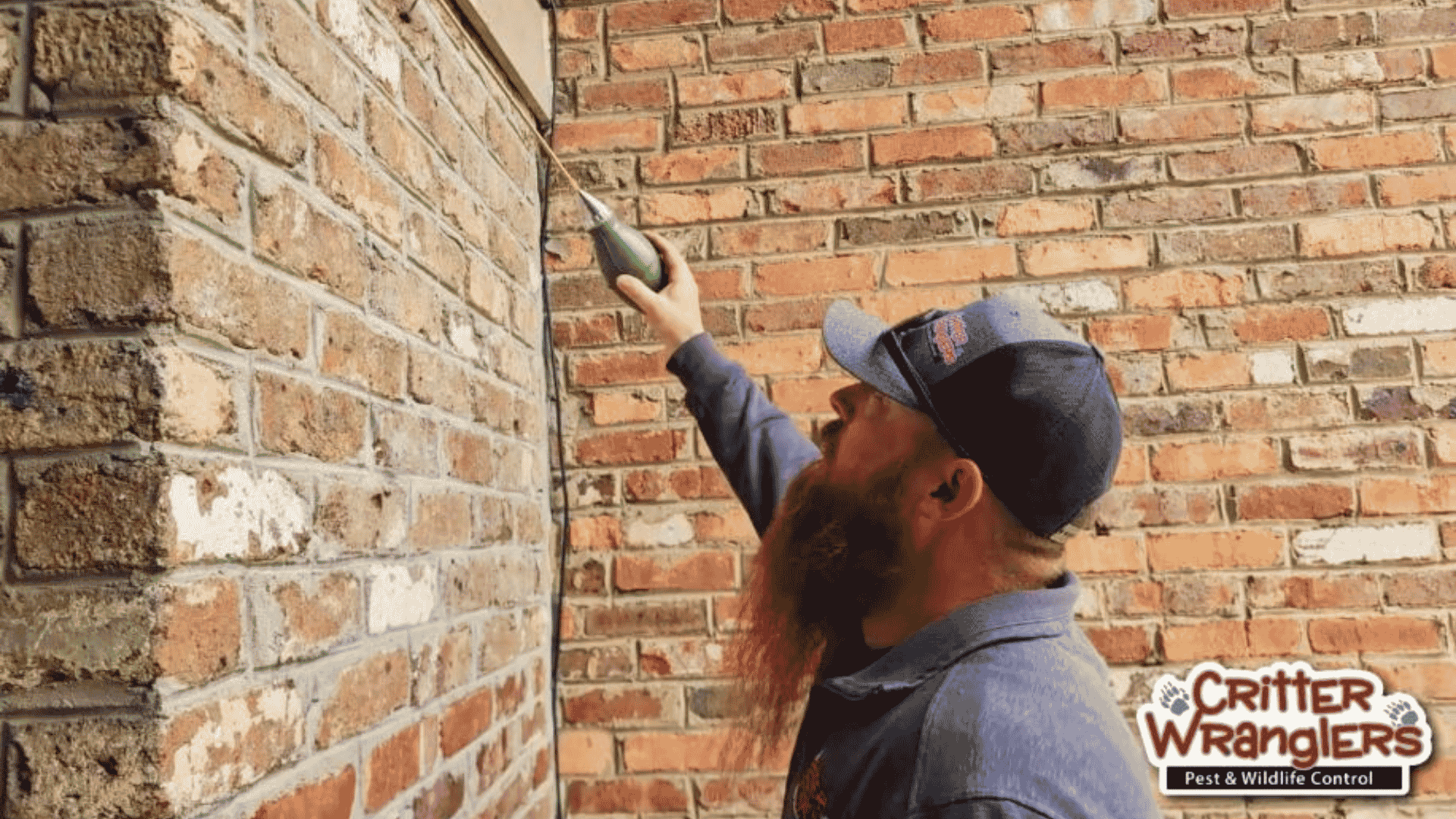
Most pest problems start outside, so the exterior is just as important. The inspector walks the perimeter of the home, checking the foundation, siding, and roofline for gaps and cracks that pests could use to get in. They'll also look at the yard for conditions that draw pests close.
Common culprits outdoors include standing water, overgrown vegetation touching the house, woodpiles against the foundation, and unsealed openings around vents and utility lines. Identifying these helps stop problems before they reach your living space.
Common Findings
Every home is different, but a few findings turn up again and again in Knox County. According to University of Tennessee Extension, one or more of about 40 common pests shows up in nearly every Tennessee home at some point, so it's normal for an inspection to surface something. You can see the range in UT Extension's guide to managing pests around the home.
Typical findings include entry points around the foundation, moisture problems in crawl spaces, evidence of rodents in the attic, or conditions in the yard that invite pests. None of it is cause for panic; it's simply the information needed to build the right plan.
The inspector will also flag things you might not think of as pest issues, since so much of prevention is about conditions. Overgrown shrubs brushing the siding, mulch piled against the foundation, a downspout that dumps water by the wall, or a torn crawl space vent screen all make a home more inviting to pests. Pointing these out gives you a practical to-do list, and many are simple fixes you can handle yourself.
After the Inspection
The inspection doesn't end when the walkthrough does. What happens next is what turns observations into a real solution.
Your Report and Recommendations
Once the walkthrough is complete, the inspector reviews what they found with you in plain language. You should come away understanding which pests are present or likely, where the vulnerabilities are, and what's driving the problem. A good inspector explains, rather than just handing you a bill.
From there, you'll get recommendations tailored to your home. That might be a targeted treatment, some exclusion work to seal entry points, or a prevention plan, depending on what turned up. Ask questions if anything is unclear, since this is the moment to understand your options and the reasoning behind them. A good inspector wants you making an informed decision, not a rushed one.
Building a Prevention Plan
The best outcome of an inspection is a plan that keeps problems from coming back. This is where integrated pest management comes in, an approach the EPA describes as leaning on inspection, prevention, and monitoring before treatment. You can read the framework in the EPA's IPM principles.
In practice, that means addressing the root causes, like sealing gaps and reducing moisture, alongside any treatment. A plan built this way protects your home over the long term instead of just knocking down what's visible today.
Why Regular Inspections Matter
A one-time inspection solves the problem in front of you, but regular inspections protect you from the ones you can't see yet. Pests are quiet and persistent, and a lot of damage, from termites to rodents, happens out of sight before anyone notices. Catching those early is the whole point.
Routine inspections also keep your prevention plan current as the seasons change and your home ages. A small gap that opens up or a new moisture issue gets caught before it becomes an invitation. For most homeowners, folding inspections into a recurring residential pest control plan is the easiest way to stay ahead. If termites are a particular worry, our termite control service includes the kind of targeted inspection those pests demand.
There's real peace of mind in it, too. Instead of wondering what might be happening behind the walls or under the house, you have someone checking regularly and telling you straight. For a lot of Knox County homeowners, that steady reassurance is worth as much as the pest prevention itself.
Frequently Asked Questions
How long does a pest inspection take?
It depends on the size and condition of your home, but most inspections take anywhere from thirty minutes to about an hour. A home with an active problem or lots of areas to check may take a bit longer.
Do I need to do anything to prepare?
Just clear access to the key areas, like under sinks, around basement and garage walls, and the attic or crawl space entrance, and secure any pets. There's no need to clean beyond that; a normal lived-in home is exactly what inspectors expect.
Will the inspector treat my home during the visit?
Sometimes, but not always. The inspection comes first so we know what we're dealing with, and treatment is based on what's found. We'll always explain our recommendations before doing any work.
What if the inspection doesn't find anything?
That's good news, and it still has value. You'll get peace of mind plus guidance on keeping your home protected, and any minor vulnerabilities can be sealed up before they become actual problems.
How often should I have my home inspected?
For most Knox County homes, a recurring plan with regular inspections works well, since it catches seasonal shifts and early signs of trouble. If you've had past issues or live near wooded areas, more frequent checks may be worthwhile.
Book Your Inspection With Confidence
A pest inspection isn't something to dread; it's the smartest first step toward a home that stays comfortable and protected. When you know what to expect, you can make the most of the visit and get a plan built around your home's real needs. If you're ready to get started, request a free quote and we'll set up an inspection, or find quick answers on our FAQ page first.