If it feels like spiders suddenly appear everywhere once the weather cools, you're not imagining it. Spiders in the home in fall are one of the most common complaints we hear from Knoxville homeowners, and the timing is no coincidence. As autumn settles over East Tennessee, spiders become far more noticeable indoors, turning up in basements, garages, corners, and the occasional bathtub. Understanding why they show up when they do makes it much easier to keep their numbers down.
At Critter Wranglers, our phones light up with spider questions across Knox County every fall. The good news is that most of the spiders you'll encounter are harmless, and a few smart steps can keep your home from becoming their favorite autumn hangout. Here's what's really going on and how to handle it.
Quick Summary
- Spiders seem to take over in fall partly because many mature and become more active, and partly because they follow the insects moving indoors.
- Most spiders in East Tennessee homes are harmless nuisance species, though the brown recluse and black widow deserve respectful caution.
- Because spiders hunt other insects, controlling your home's overall pest population is one of the best ways to reduce spiders.
- Sealing entry points, reducing clutter, and managing exterior lighting all make your home less attractive to spiders.
- Professional pest control addresses spiders and the insects they feed on together, which is far more effective than swatting them one at a time.
Why Spiders Become So Noticeable in Fall
There's a common belief that spiders come indoors in fall to escape the cold. The reality is a little different and more interesting. Many of the spiders you notice have actually lived in and around your home all along; they simply become far more visible in autumn for a couple of reasons.
First, a lot of spider species reach maturity in late summer and fall. Full-grown and ready to mate, males in particular start roaming in search of females, which is why you suddenly spot larger spiders crossing floors and walls. They were smaller and tucked away earlier in the year, so fall is when they finally catch your eye.
Second, spiders go where the food is. As cooling weather pushes insects like flies, crickets, and other prey indoors, spiders follow that food source right into your home. In that sense, a spider problem is often a signal of a broader insect problem. Where there are plenty of bugs to eat, spiders will happily set up shop.
The Spiders You're Likely to See Around Knoxville
Knowing what you're looking at takes a lot of the anxiety out of a fall spider sighting. The overwhelming majority of spiders in East Tennessee homes are harmless and actually beneficial, since they prey on other pests. These are the ones you'll most commonly encounter:
- Common house spiders: Small, drab spiders that build tangled webs in corners, closets, and basements.
- Cellar spiders: Long, thin-legged spiders often called daddy longlegs, typically found in basements and crawlspaces.
- Wolf spiders: Larger, fast-moving ground hunters that don't build webs and sometimes wander indoors. They look intimidating but are not aggressive.
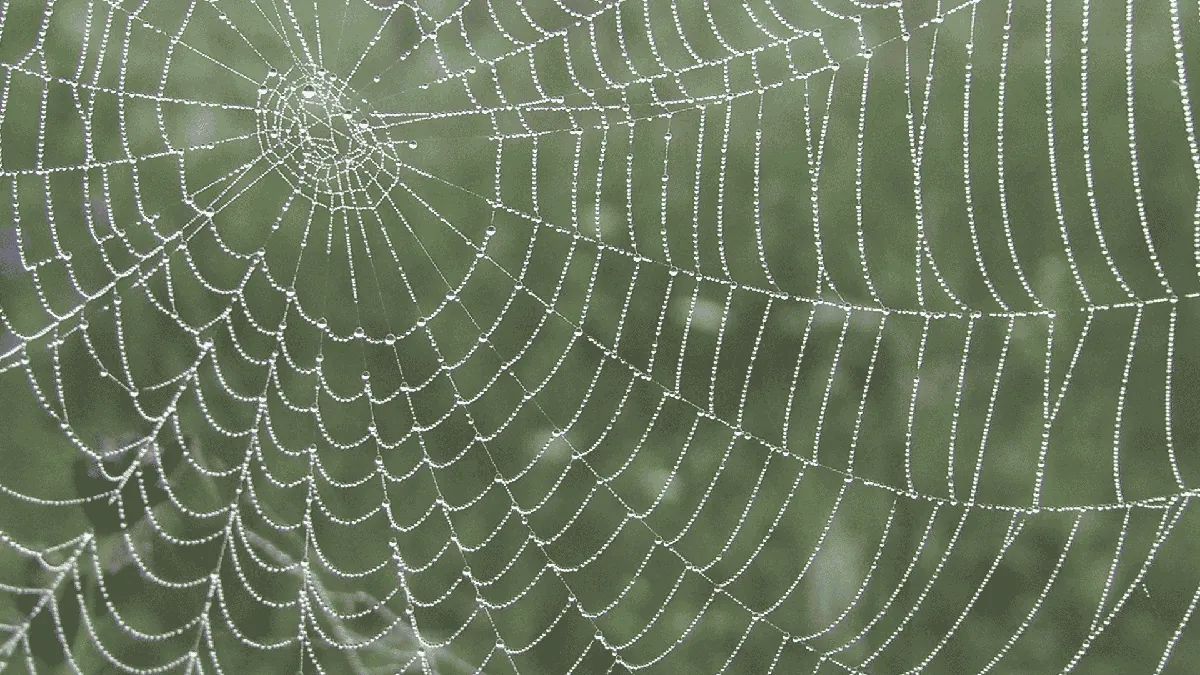
- Orb weavers: The spiders behind the large, elaborate webs you see outdoors on porches and eaves in fall.
Two East Tennessee spiders do warrant caution because their bites can cause a medical reaction: the brown recluse and the black widow. Neither is aggressive, and both prefer to stay hidden and undisturbed.
The brown recluse is light brown with a subtle violin-shaped marking behind its head, and it favors quiet, undisturbed spots like closets, boxes, and cluttered storage areas. The black widow is glossy black with a red hourglass mark on the underside of its abdomen and tends to hide in garages, woodpiles, and dark corners. If you think you may have either in your home, it's wise to have a professional take a look rather than handle it yourself.
How to Keep Spiders Out This Fall
Since spiders follow their food, the single most effective long-term strategy is to reduce the insects they're hunting. Beyond that, a handful of practical steps make your home much less appealing to spiders in the first place.
Seal Up Entry Points
Spiders slip in through the same small gaps other pests use. Seal cracks around windows and doors, repair torn screens, and check weatherstripping and door sweeps. Close gaps where utility lines and pipes enter the home, since these are easy routes indoors.
Reduce Clutter and Hiding Spots
Spiders love undisturbed places to hide and build webs. Decluttering garages, basements, closets, and storage areas removes their shelter, and storing items in sealed bins rather than open boxes helps. Regular vacuuming knocks down webs, egg sacs, and the spiders themselves, especially in corners and along baseboards.
Manage Exterior Lighting
Outdoor lights attract the flying insects that spiders eat, which draws spiders to your doors and windows. Switching to less attractive bulbs or keeping unnecessary lighting off in the evening reduces the insect buffet near your entry points.
Tidy the Perimeter
Keep the area around your foundation clear of leaf litter, woodpiles, and dense vegetation, since these give spiders and their prey a place to gather before moving indoors. Trimming shrubs away from the walls also removes a convenient bridge into the home. Sweeping down webs from porches, eaves, and doorframes regularly discourages spiders from re-establishing near your entrances, and it makes new activity easier to notice.
Control the Underlying Insect Population
This is the step that ties everything together. As long as your home offers an easy supply of insects, spiders will keep coming back for the meal. Addressing the broader pest population is what makes the difference, which is why our residential pest control program targets spiders and the pests they feed on together.
When to Call a Professional
Many homeowners can keep ordinary house spiders in check with sealing, cleaning, and clutter control. But there are times when professional help is the smarter move. If you're seeing spiders constantly despite your best efforts, that steady presence usually points to an insect problem feeding them, and treating the root cause is far more effective than chasing individual spiders.
Professional help is also worth it any time you suspect a brown recluse or black widow, particularly in a home with children or pets. At Critter Wranglers, our spider control service identifies what's drawing spiders to your home, treats both the spiders and their food source, and helps seal the vulnerabilities that let them in. Because our technicians handle the full range of household pests, we can address the whole picture rather than just the symptom.
We work month to month with no long-term contracts, so a focused fall visit can be exactly that. For many Knoxville-area families, it's the simplest way to reclaim the basement and garage before winter.
Frequently Asked Questions
Why do I see so many more spiders in the fall?
Fall is when many spiders reach maturity and males begin roaming to find mates, which makes them far more visible. Spiders also follow the insects that move indoors as the weather cools, so a fall spider surge often reflects a broader insect presence.
Are the spiders in my Knoxville home dangerous?
Most are not. The large majority of spiders in East Tennessee homes are harmless nuisance species that actually help by eating other pests. The brown recluse and black widow are the two exceptions worth caution, and a professional can confirm whether either is present.
Does killing spiders one at a time actually work?
Not as a lasting solution. Removing individual spiders doesn't address why they're there, which is usually a supply of insects to eat. Reducing the underlying pest population and sealing entry points is what keeps spider numbers down over time.
How can I tell a brown recluse from a harmless spider?
A brown recluse is light brown with a faint violin-shaped marking behind its head and tends to hide in undisturbed, cluttered areas. Because identification can be tricky and lookalikes are common, it's best to have a professional confirm any spider you're concerned about.
What's the best way to prevent fall spiders?
Combine several steps: seal entry points, reduce clutter and webs, manage exterior lighting, tidy the perimeter, and above all, control the insects spiders feed on. Together, these make your home a much less appealing place for spiders to settle.
Take Your Home Back From Fall Spiders
Fall spiders may be startling, but they're rarely dangerous and always manageable. Seal the gaps, cut the clutter, manage your lighting, and address the insects that draw them in, and you'll see far fewer eight-legged visitors as the season turns.
If you'd rather leave it to someone who knows East Tennessee's spiders, Critter Wranglers is here to help. Request your free quote or contact us to schedule a visit. We're locally owned, familiar with every corner a spider likes to hide, and just a call away at (865) 973-1095.