The Knoxville Pest & Wildlife Guide
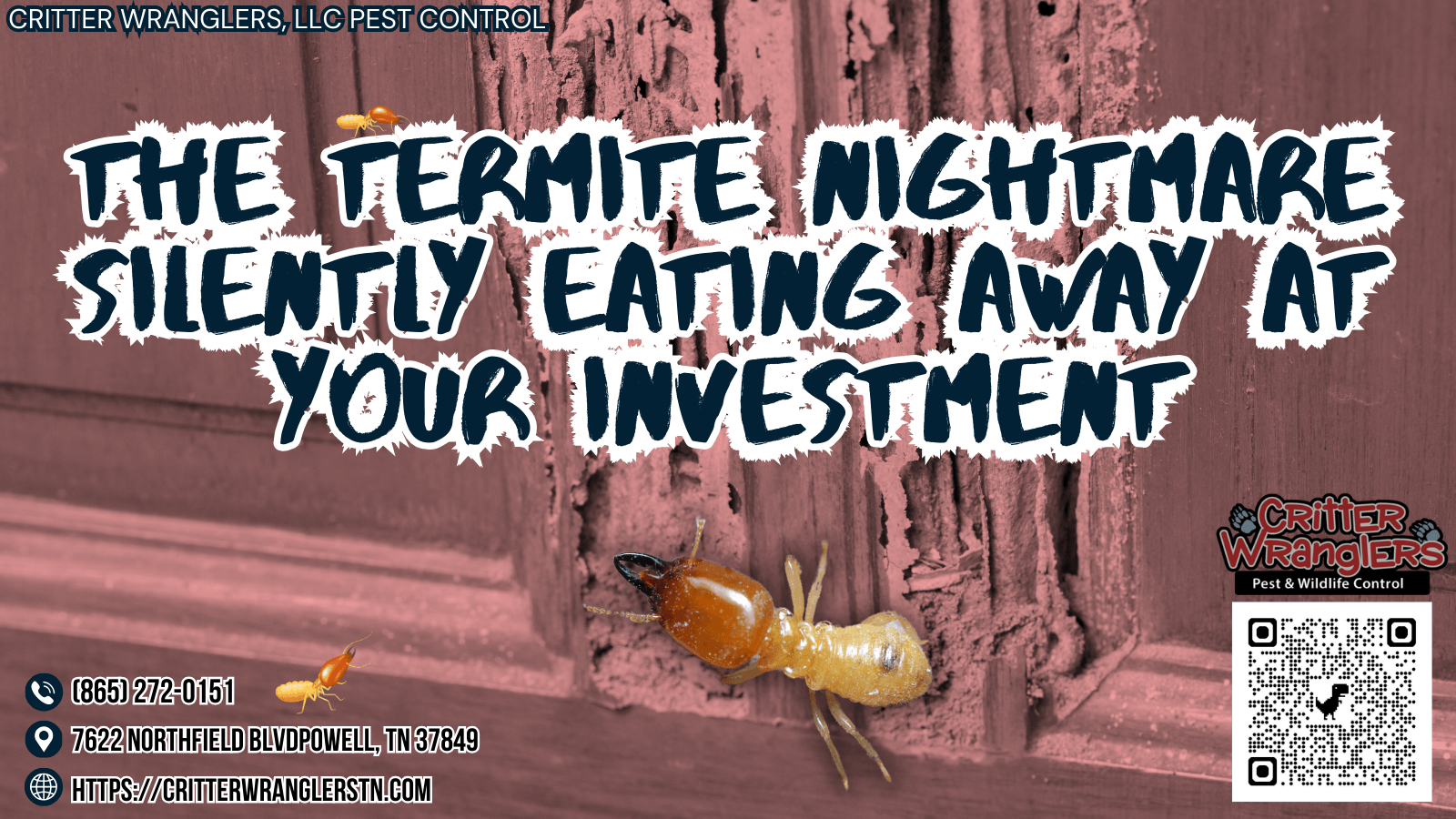
Termites are hidden pests that can significantly damage homes over time. They feed on wood and cellulose materials, which compromises structures.
- Written by: Staff
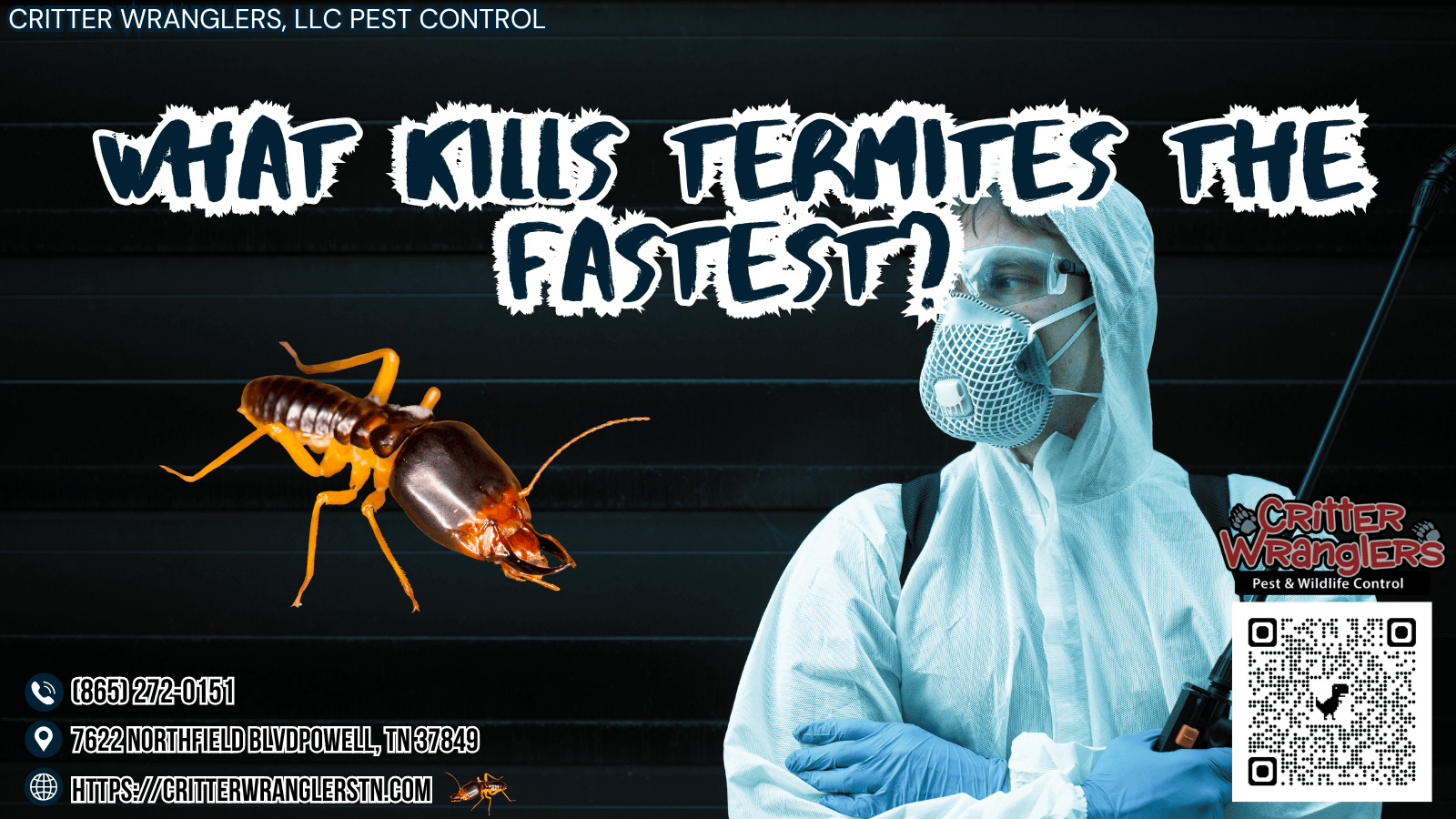
Liquid insecticides and chemical barriers are the fastest methods to kill termites. These treatments work quickly by being applied directly to infested areas or creating protective zones. Baiting systems also attract termites and eliminate entire colonies.
- Written by: Staff
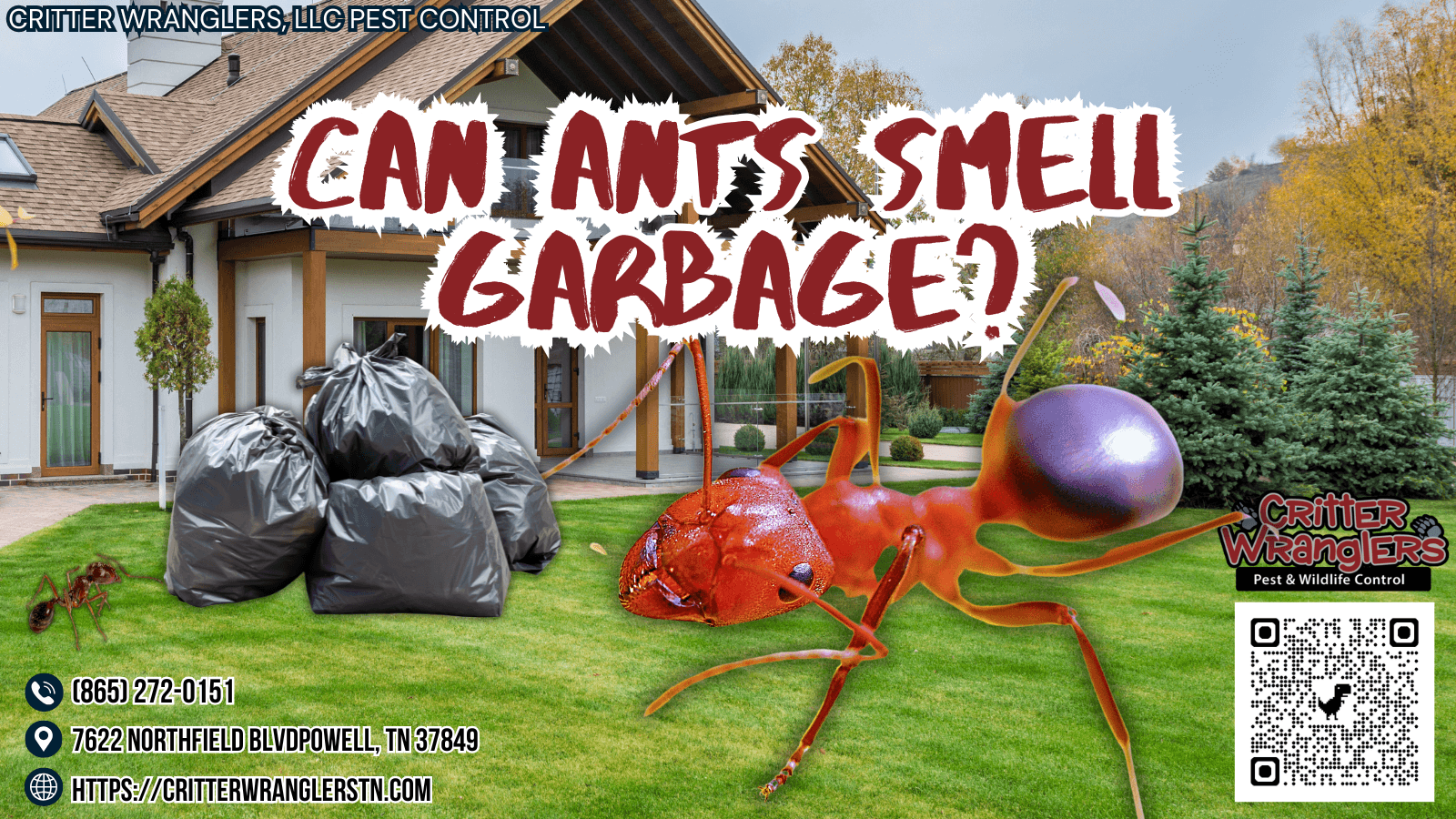
Ants can smell garbage due to their highly sensitive antennae. These unique sensory organs contain thousands of receptors that detect various scents, including food waste. Ants use their sense of smell to locate and identify different food sources.
- Written by: Staff
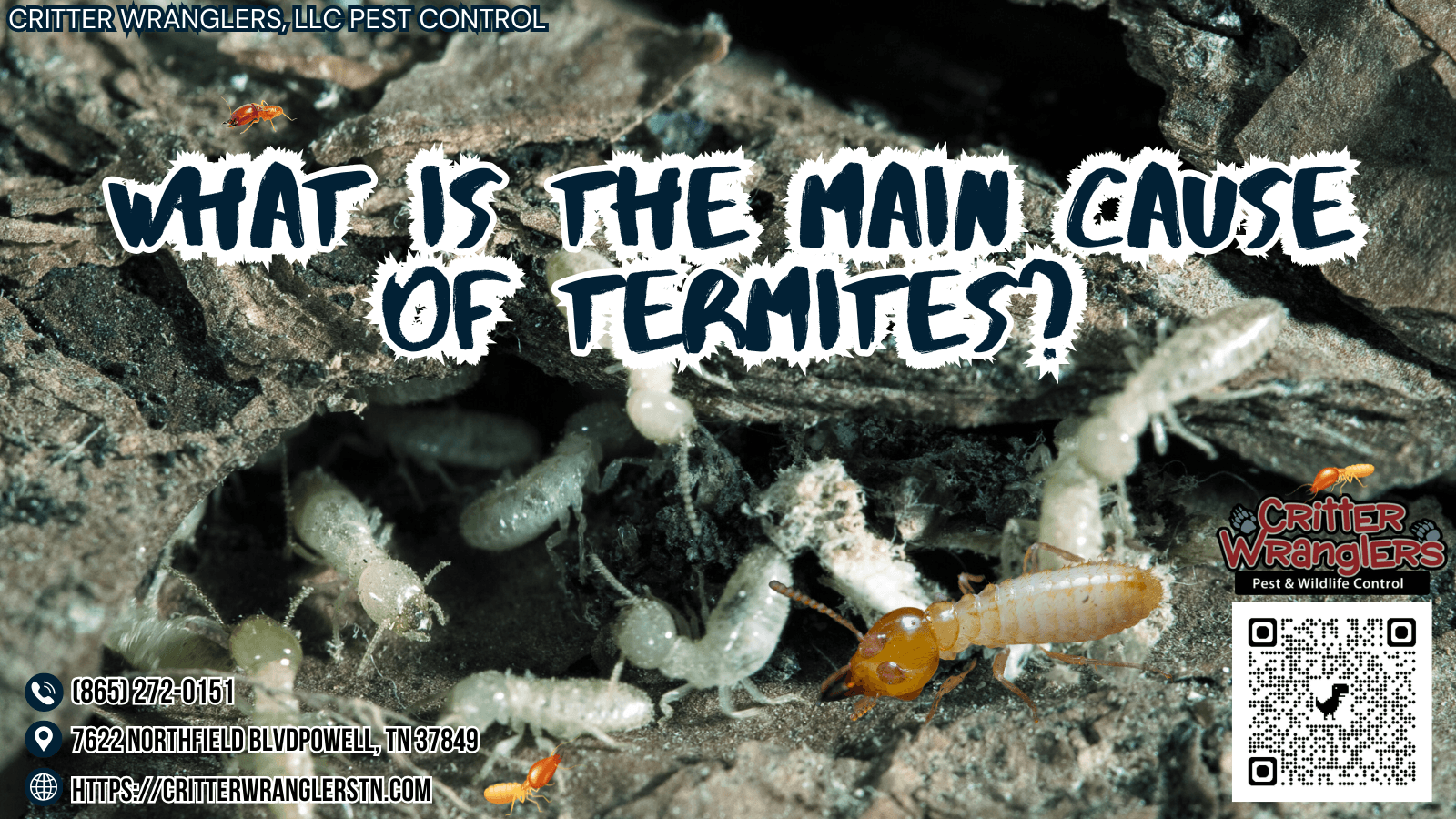
Termites primarily thrive due to the presence of wood, moisture, and suitable environmental conditions. They are especially attracted to softwoods and decaying wood, which serve as food sources. Excess moisture from leaks and high humidity creates ideal living conditions for these pests.
- Written by: Staff