The Knoxville Pest & Wildlife Guide
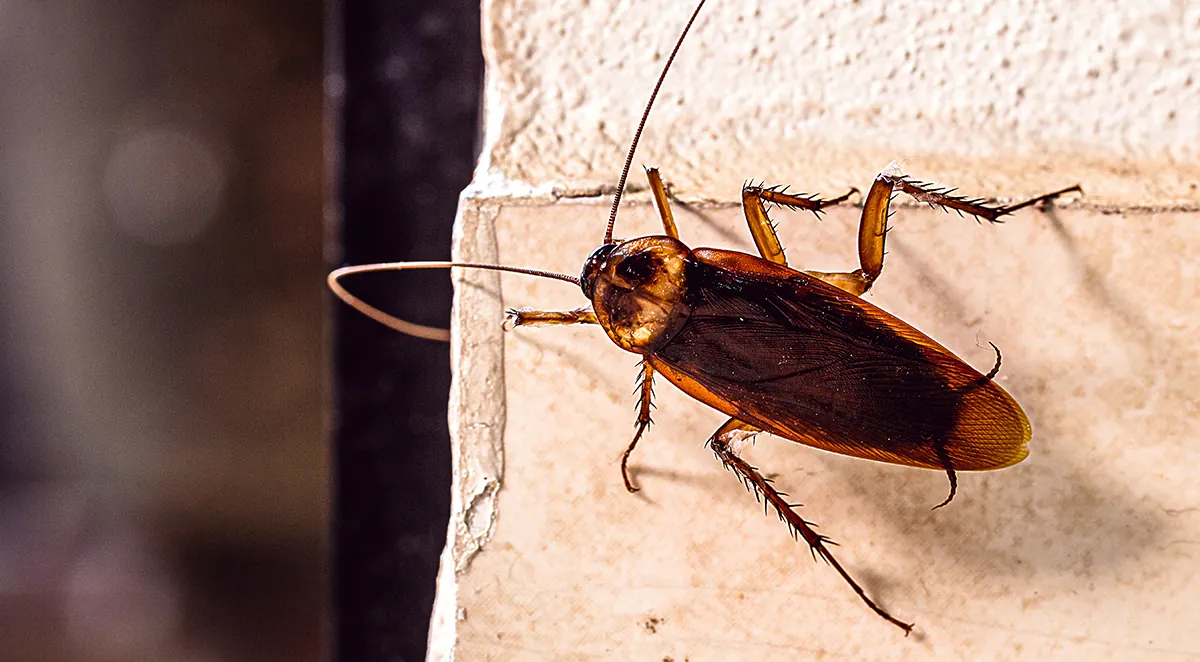
East Tennessee summers are reliably hot, reliably humid, and reliably hard on homeowners dealing with pests. Cockroaches are built for exactly these conditions. They reproduce faster in the heat, move more actively in humidity, and push indoors when temperatures peak and outdoor water sources dry up. By the time most Knoxville homeowners notice a cockroach problem, the population driving it has been establishing for weeks or months.
- Written by: Critter Wranglers
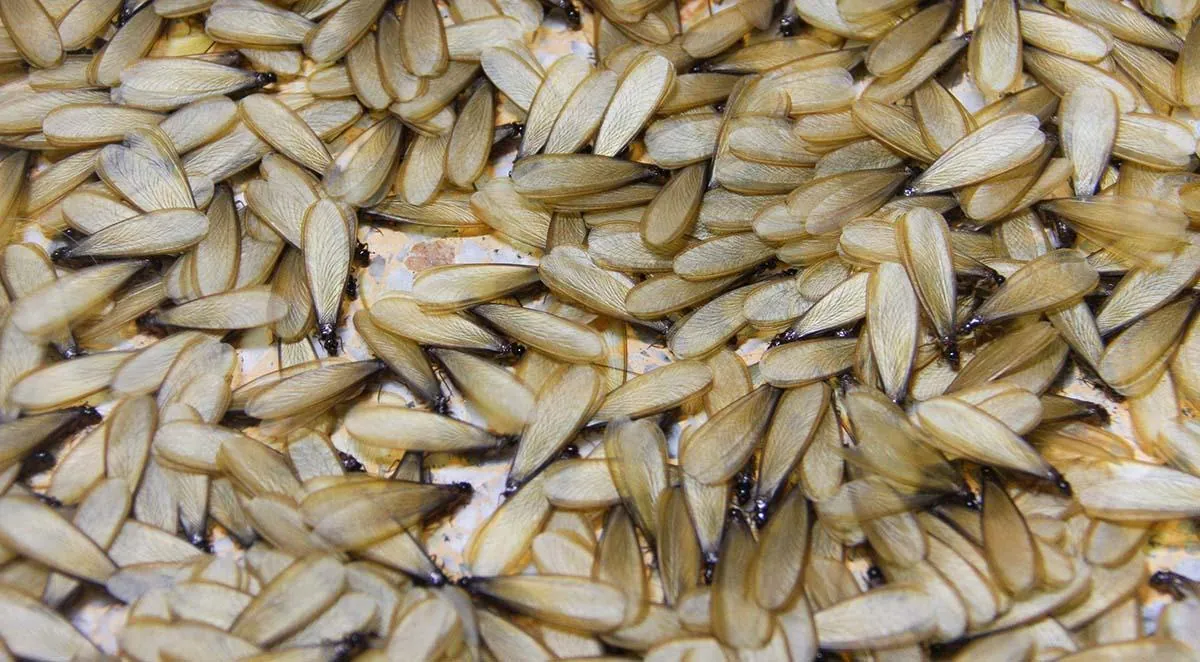
It's a warm afternoon in early April. You walk past a window and notice a cluster of small winged insects gathered near the sill. Or you find a dusting of discarded wings on the floor by a sliding door. Maybe you see them near a light fixture at dusk. It's easy to dismiss the moment; maybe it's just ants, maybe it's nothing. But in East Tennessee, spring is termite swarm season, and that cluster of wings is worth paying attention to.
- Written by: Staff

As Bearden, Knoxville, starts heating up for winter, rodent activity tends to rise. Mice and rats move toward warmer indoor spaces and stored provisions, exploiting gaps around foundations, doors, pipes, and vents. Key species include house mice, Norway rats, and roof rats, each using nearby entry routes.
- Written by: Staff

Rodent pressure stays high in Farragut through winter because warmth-seeking behavior persists and shelter access remains available. Outdoor conditions drive rodents indoors, using gaps, vents, and utility penetrations near foundations as entry points. Sealed homes with intact doors and crawl spaces see fewer intrusions. Effective prevention focuses on airtight closures, door sweeps, and removing attractants like exposed food and trash. Regular inspections help catch breaches before they grow. More practical steps await further guidance.
- Written by: Staff