The Knoxville Pest & Wildlife Guide
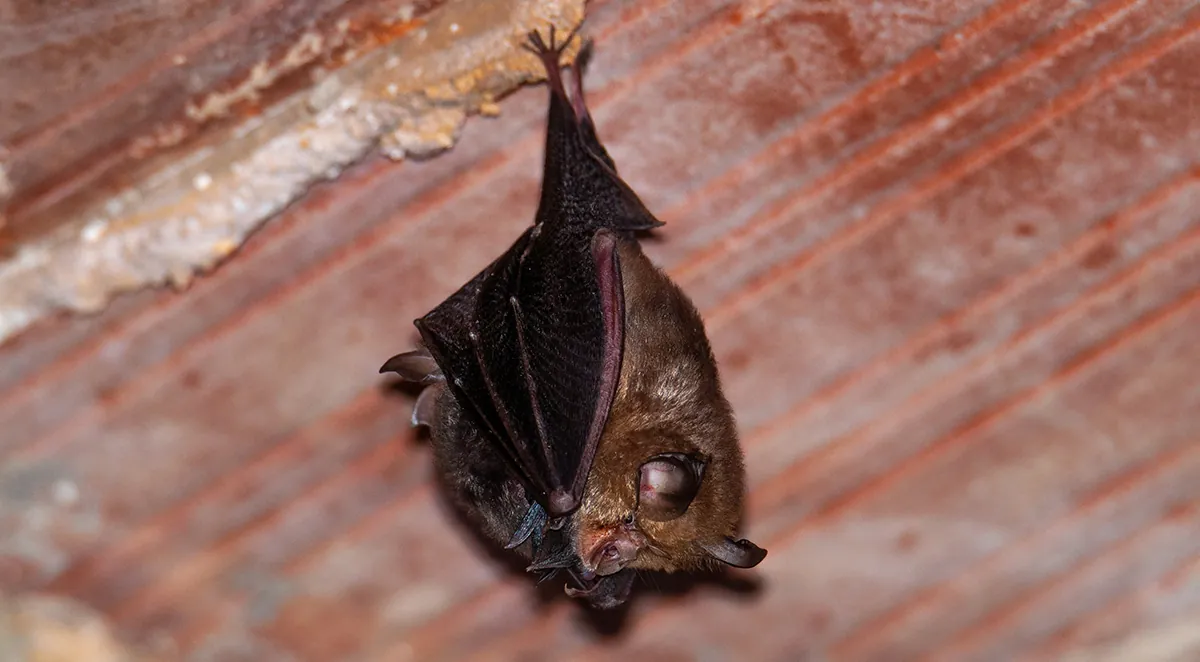
Discovering a bat in your attic can be unsettling, but bats in the home are a more common situation for Knoxville homeowners than most people realize. East Tennessee is prime bat country, and as these animals look for warm, protected roosts, homes frequently fit the bill. If you're dealing with bats in the attic in Knoxville, TN, the most important thing to know up front is that bat removal is not a do-it-yourself job, and for good reason: bats are protected, ecologically valuable, and legally sensitive to handle.
- Written by: Critter Wranglers
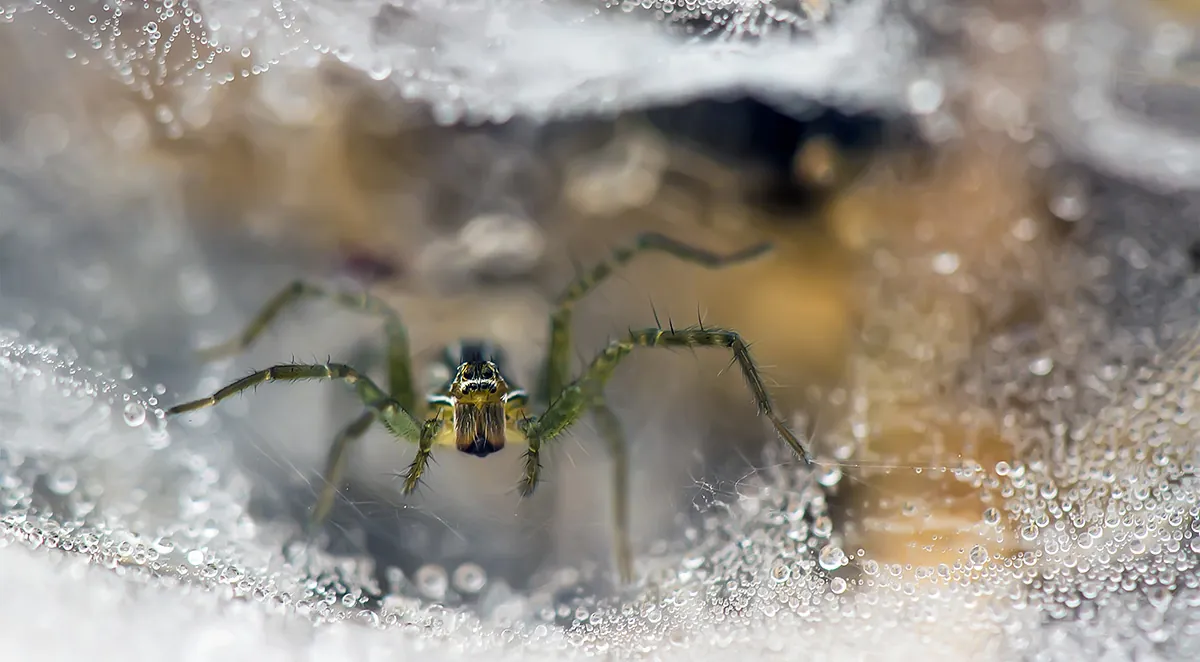
When the first hard freeze hits East Tennessee, it's tempting to assume pest season is over and done with until spring. In reality, winter pest control in Knoxville, TN matters just as much as the warmer months, because plenty of pests don't disappear when it gets cold. They simply move somewhere warmer: inside your home. Understanding what stays active through a Knoxville winter is the key to keeping your home comfortable and protected year-round.
- Written by: Critter Wranglers
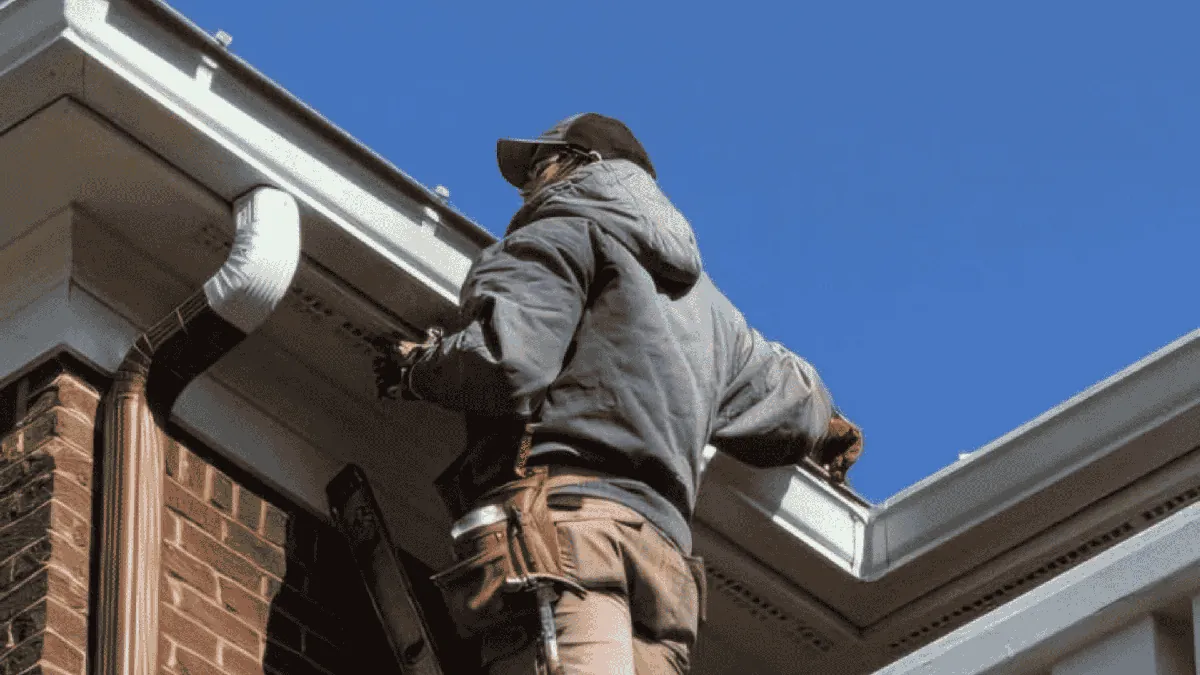
That scampering and scratching overhead early in the morning is one of the most common wildlife complaints we hear once fall arrives. Squirrels in the attic are a familiar headache for Knoxville homeowners, and the timing lines up with the season: as the weather cools, squirrels look for a warm, protected place to nest and store food, and your attic fits the bill perfectly. Left alone, they can cause real damage, so it pays to act promptly and correctly.
At Critter Wranglers, attic squirrel calls climb across Knox County every fall. The important thing to understand is that getting squirrels out and keeping them out are two different jobs, and skipping the second one is why so many do-it-yourself attempts fail. Here's what to watch for, why it matters, and how the problem actually gets solved.
- Written by: Critter Wranglers
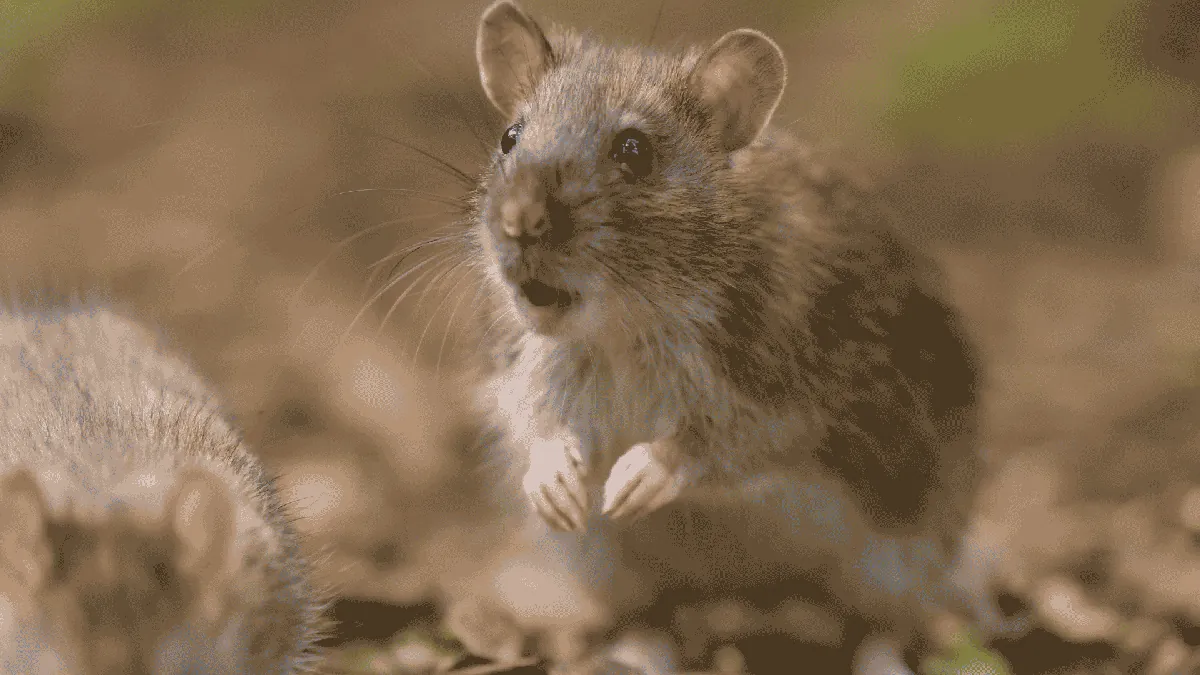
Hearing scratching in the walls or spotting droppings under the sink leads every homeowner to the same urgent question: is it mice or rats? Knowing the difference between mice vs. rats in your Knoxville home matters more than you might think, because the two rodents behave differently, leave different clues, and call for different control strategies. Correctly identifying your uninvited guest is the first step toward getting rid of it for good.
At Critter Wranglers, we help Knox County homeowners sort out this exact question all the time, especially as cooler weather drives rodents indoors. This guide walks through how to tell mice and rats apart by their appearance, droppings, sounds, and habits, and explains why that identification shapes the right approach to control.
- Written by: Critter Wranglers